
Hiding in plain sight: common fungi in red wood ant colonies
Ant colonies can be dense, which may have some hidden costs. Pathogens and parasites find rich pickings in these tightly packed societies, and some have been quietly going about their business largely unnoticed by scientists.
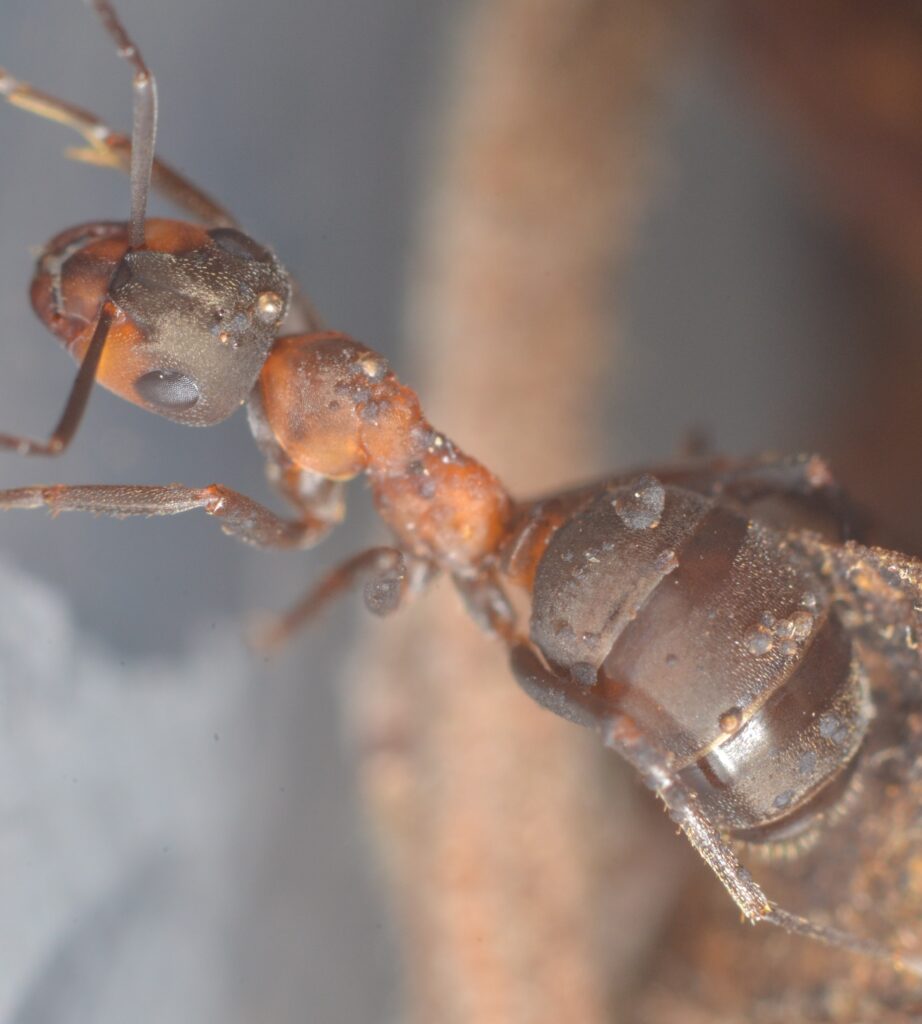
Aegeritella is one such organism: a fungus that clings to the outer surface of ants, easily mistaken for a speck of dirt. A new study, “Worker size and body region influence infection dynamics of Aegeritella fungi in red wood ants” in Myrmecological News, conducted at a single field site in northwestern Belgium, reveals just how prevalent this overlooked fungus really is. Nearly every colony of red wood ants examined at this site harbored infected individuals, and roughly four in ten workers carried the fungus — a striking finding that emerged only through painstaking, fine-scale sampling. The work also uncovers patterns in who gets infected: smaller workers and certain body regions are disproportionately affected, while the hundreds of other invertebrates (myrmecophiles) sharing the ants’ nests appear to be left alone entirely.
Aurélie Van Engeland led this multidisciplinary study and the field work, screening and analyses as part of her master thesis. She was supervised by Nicky Wybouw and Thomas Parmentier. We spoke with corresponding author Thomas Parmentier, a research professor at the Université Libre de Bruxelles and a specialist in ant-associated communities, about what the study reveals.

Edit by Rohini Singh and Salvatore Brunetti


MNB: Could you tell us a bit about yourself?
TP: My name is Thomas Parmentier, and I am from Belgium. About a year and a half ago, I started as a permanent research professor at the Université Libre de Bruxelles, a university with a strong and longstanding tradition in social insect research.
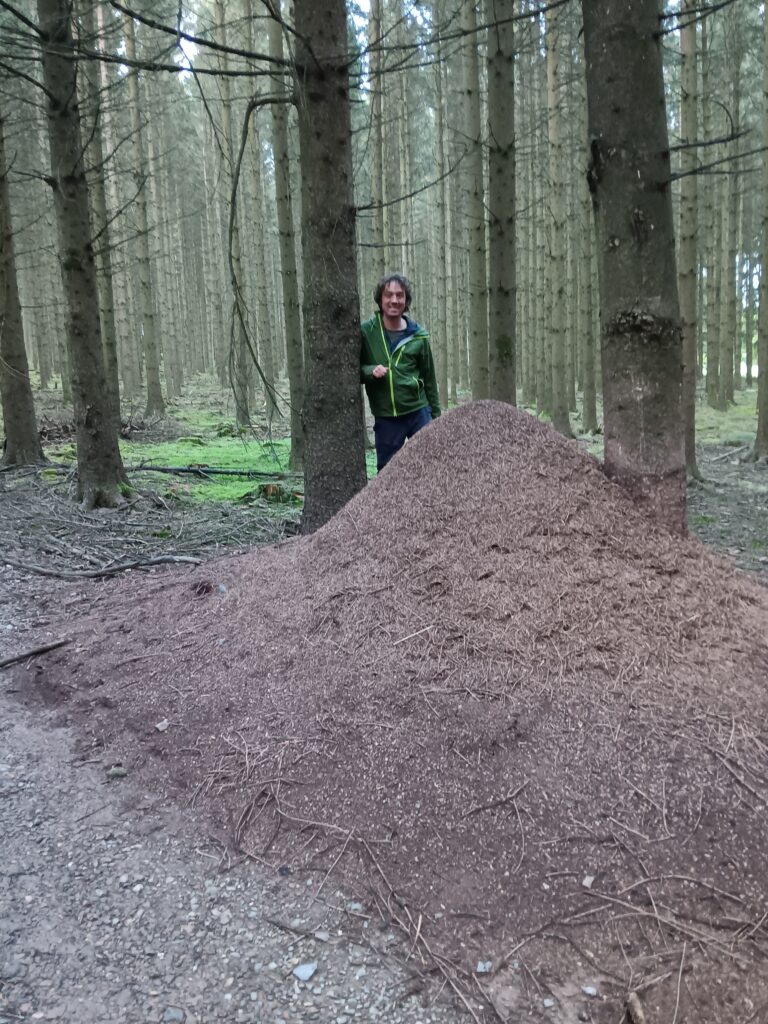
My research began with the study of myrmecophiles associated with mound-building red wood ants. Initially, I focused on the chemical and behavioural strategies that allow these organisms to survive in such hostile environments. Gradually, I expanded this work to use myrmecophile communities (an ant nest can be considered as a biological island that supports communities of myrmecophiles) as a model system to address broader ecological questions, including community assembly, food web ecology, succession, dispersal dynamics, and metacommunities.
Today, red wood ants and their myrmecophiles remain my primary study system, but I have branched out to other ant-symbiont communities. These include root aphids associated with Lasius, associates of Myrmica, fungal pathogens of ants, myrmecophiles of Mediterranean ants, as well as invasive ants and their symbionts. I am also involved in some collaborative projects in tropical systems. Across all these projects, a combination of field biology and experimental work remains central.
MNB: Could you briefly outline your research on “Worker size and body region influence infection dynamics of Aegeritella fungi in red wood ants” in layperson’s terms?
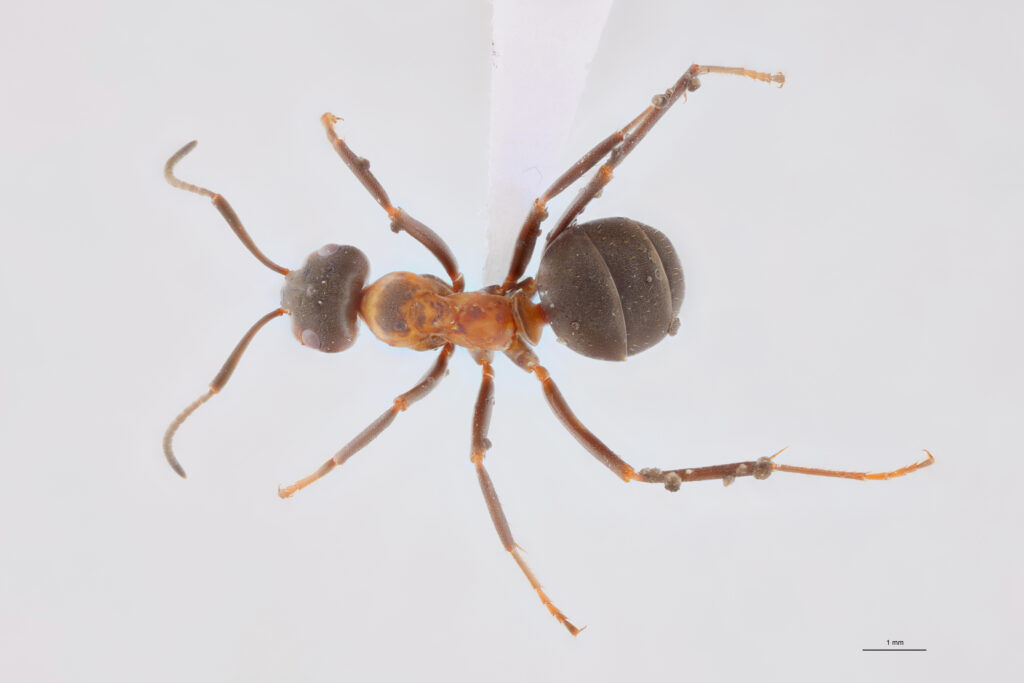
TP: Ants live in large, crowded colonies, which makes it easy for diseases to spread, similar to how germs pass quickly in a packed crowd. We closely studied how Aegeritella, an overlooked fungus found on the cuticle of ants, spreads within and between Formica colonies in one study site in the Northwest of Belgium. The fungus turned out to be very common, especially in red wood ants: nearly all colonies had infected ants, and about 40% of the workers were affected.
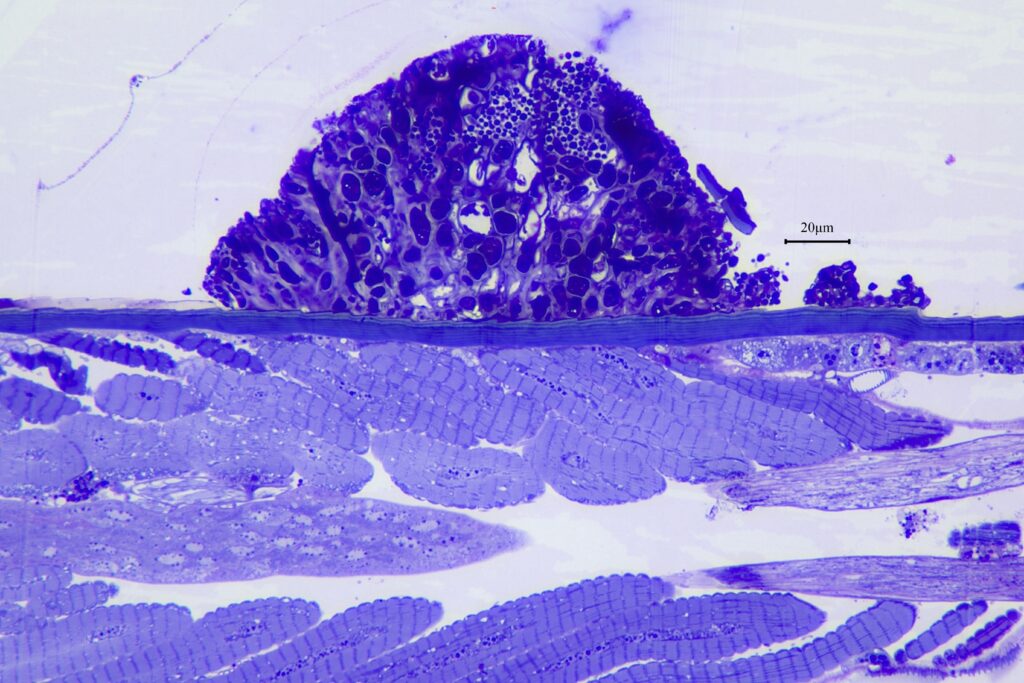
Within a colony, smaller ants were more likely to be infected, and the fungus mostly grows on the back part of their bodies. We also screened 3400 invertebrates living as permanent guests (myrmecophiles) in the nests of some of the heavily infected colonies for the fungus, but none were infected, suggesting the fungus mainly targets ants. Although we don’t yet know how harmful it is, we showed with histological sections that the fungus stays on the outside and does not grow into the ants’ bodies.
MNB: What is the take-home message of your work?
TP: Fine-scale sampling confirms that Aegeritella is widespread in Formica ants in our study site, infecting colonies in a non-random way, with red wood ants (Formica rufa group), smaller workers, and specific body regions being most affected.
MNB: What was your motivation for this study?
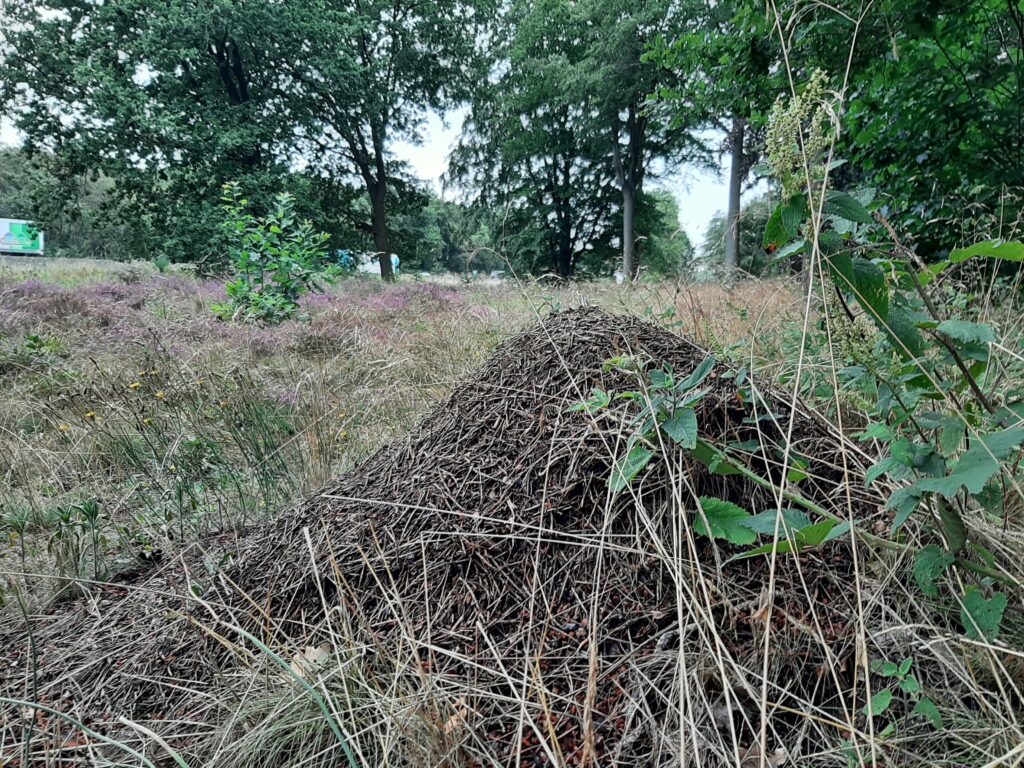
TP: We had previously observed Aegeritella on different Formica species when infections were very heavy. However, we likely overlooked many mild infections and often mistaking them for dirt. Prompted by discussions within the red wood ant Biodiversa+ Monitant consortium (www.monitant.de) and multiple findings of Aegeritella across Belgium, we decided to examine a single study site in great detail.
MNB: What was the biggest obstacle you had to overcome in this project?
TP: A challenge in our study was that we could not determine with certainty which Aegeritella species we were observing. At least two very similar-looking species (Aegeritella superficialis and Aegeritella tuberculata) may infect red wood ants, and distinguishing between them would require detailed morphological or molecular analysis of each individual bulbil or wart. Although we strongly suspect that most, if not all, of the warts are caused by Aegeritella superficialis, we refer to the fungus more generally as Aegeritella.
MNB: Do you have any tips for others who are interested in doing related research?
TP: Starting from faunistic observations, ecological studies can grow. Although repeated sampling and screening in ecological studies require a lot of tedious effort, it can pay off by revealing unexpected patterns that would otherwise be missed without such fine-scale work.
MNB: Where do you see the future for this particular field of ant research?
TP: We have launched several projects on this fungus. First, we aim to gain a better understanding of its distribution at a larger scale. Next, we plan to investigate in more detail how the fungus affects ant condition and behaviour, as well as interactions within and between species. Exploring the molecular interaction of Aegeritella infection with the host and its immunity response also represents a promising research avenue.







Recent Comments