
Best Paper Award 2025
In 2026, Myrmecological News awards for the eighth time the Best Paper of the previous year. From January 7th to January 21th, the editorial board and the community voted for the most favorite papers published in 2025.
After some tight voting, it is our great pleasure to announce the winner of the certificate of this Best Paper 2025! The voucher worth the Article Processing Charge (800 EURO) of a future contribution in Myrmecological News goes to:
🥁🥁 *** Drum rolls please *** 🥁🥁
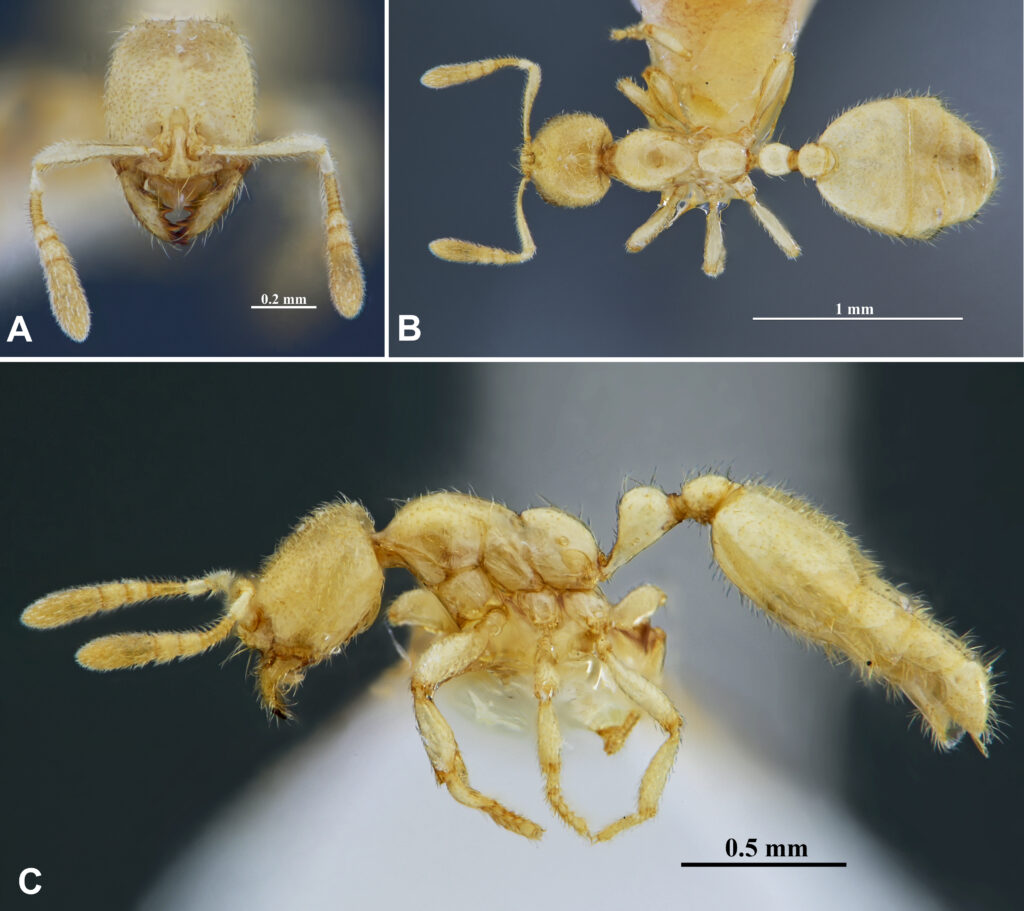
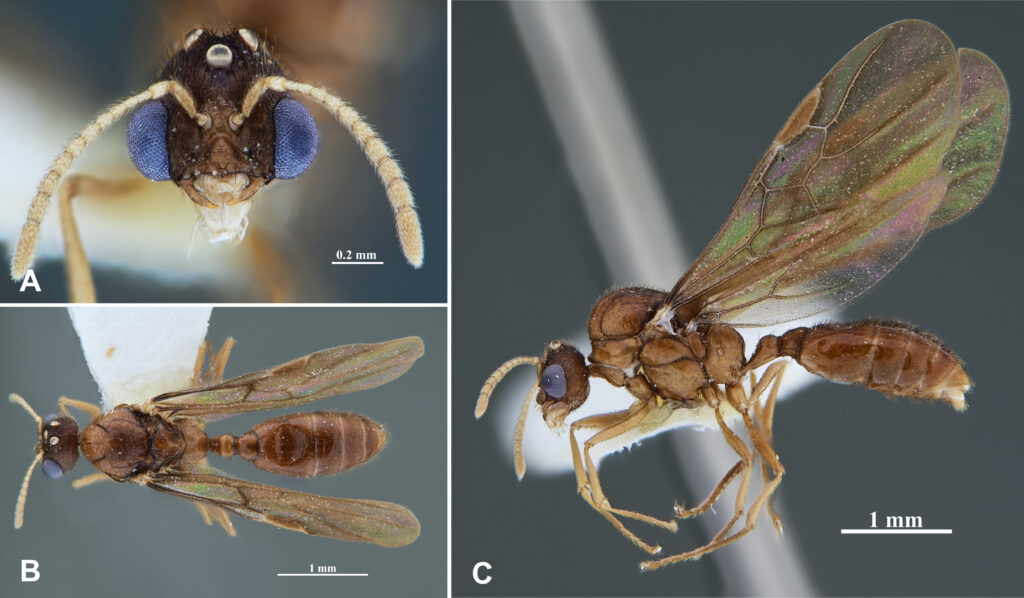
“A new genus in a hyperdiverse ant lineage (Hymenoptera: Formicidae: Myrmicinae) revealed by integration of morphological and molecular evidence.” by Fu-Ya Chung et al. 🎉🎉🎉
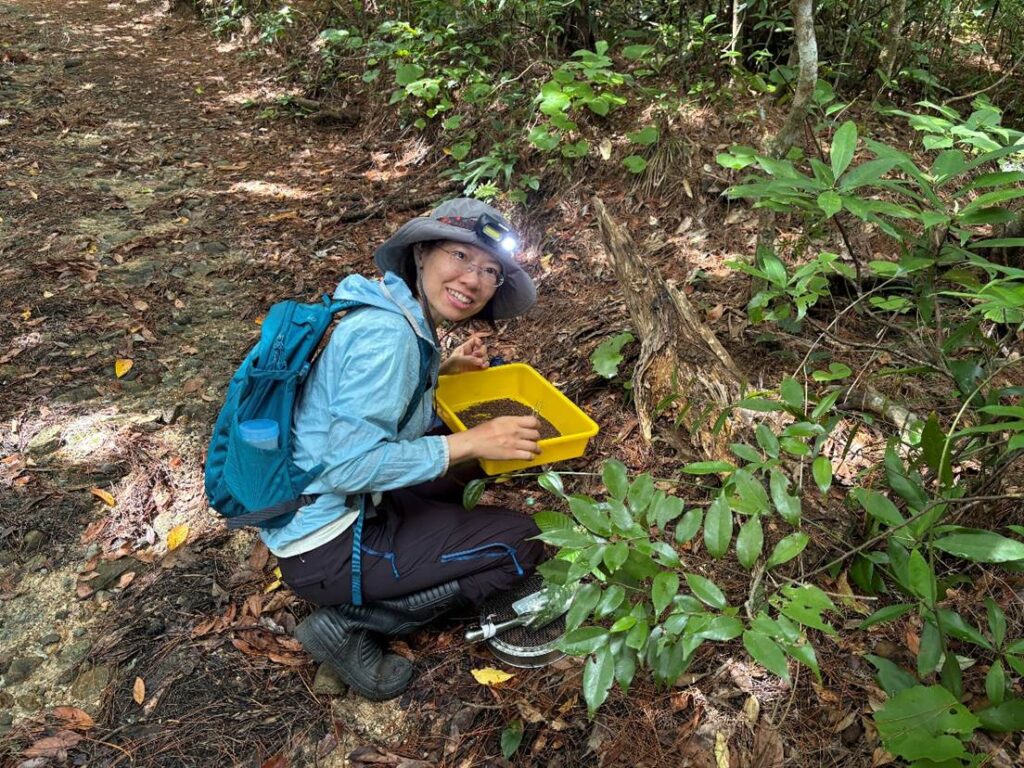
Edit by Enrico schifani and Salvatore Brunetti
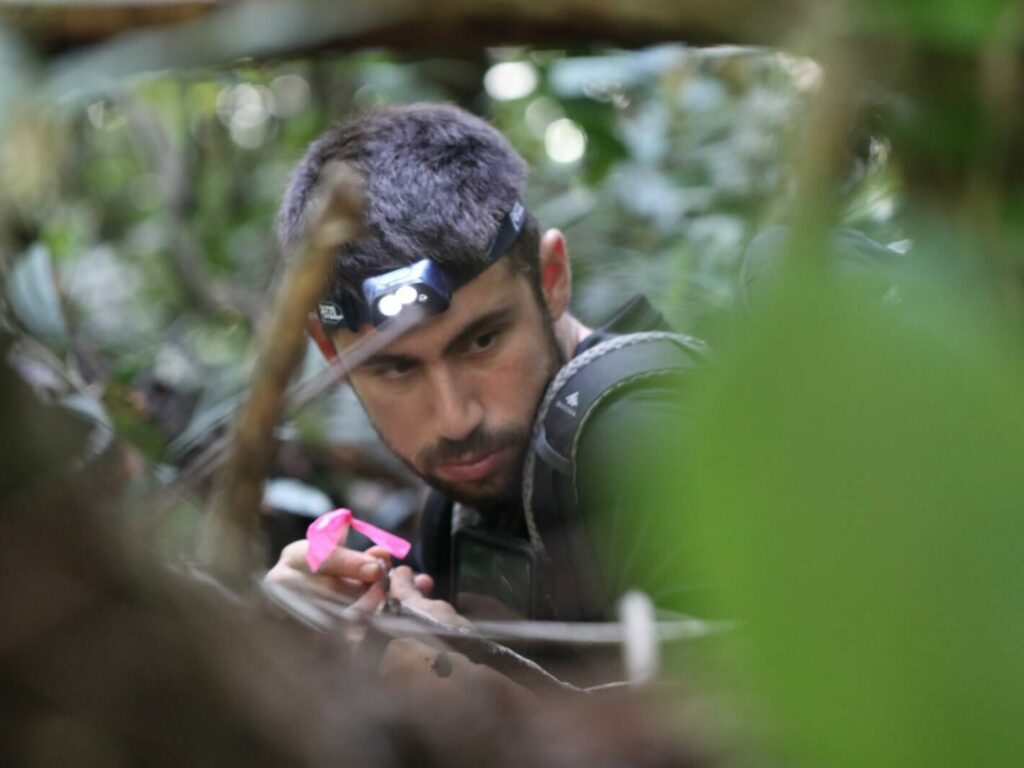

A View by Fu-Ya Chung
My name is Fu-Ya Chung, and I am a Ph.D. student in Entomology at National Chung Hsing University in Taiwan. I am deeply fascinated by the morphological diversity of ants, which is why I have chosen them as my research focus. After completing my master’s degree, and while serving as a research assistant at National Changhua University of Education, I participated in the Ant Course organized by the California Academy of Sciences in Borneo. This experience solidified my passion and led me to specialize in ant taxonomy.
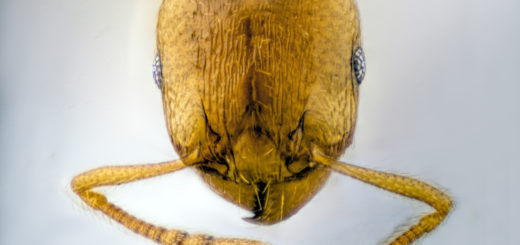
This study began with a tiny eyeless ant from Taiwan that remained taxonomically unplaced for nearly thirty years after its collection. Due to their simplified morphology, the workers were easily confused with those of several existing genera, making their true identity a long-standing mystery. However, upon examining the males of these ants, we were surprised to discover that these ants represented an entirely new genus!
Although we were initially worried that long-term preservation might have degraded the genomic DNA, fortunately, we succeeded in obtaining molecular evidence to support our findings. Another highlight of this study is the observation of male genitalia via SEM. This approach provides access to more detailed characters than traditional slides. While being more technically demanding, it truly reveals another peculiar and diverse world within the study of ants. I look forward to uncovering more hidden biodiversity in the future.






Congratulations and best wishes