
Exploring the injury ecology of ants in Central Europe
The last few years have witnessed amazing advancements in our understanding of how frequently and in what ways ants get injured, and what formidable strategies they have evolved to deal with the injuries. Erik T. Frank (University of Würzburg) spearheaded much of this innovative research, resulting in surprising discoveries of rescue behaviours, antimicrobial wound care and amputations. However, as he says, the field of injury ecology in ants is still in its infancy, with our knowledge being limited to few cases and a remarkably tiny fragment of ant diversity. In this interview, Melvin K. Opolka (University of Bayreuth), Alina Koeters (University of Würzburg), and Erik T. Frank comment on the journey and background of their latest contribution on the topic, “Feeding Ecology and Behavioral Adaptations Shape Injury Patterns in Central European Ants”, which analyses which injuries characterize Central European ants with different lifestyles, how frequent they are, and how they may be dealt with.

Edited by Enrico Schifani and Salvatore Brunetti

MNB: Could you tell us a bit about yourself?
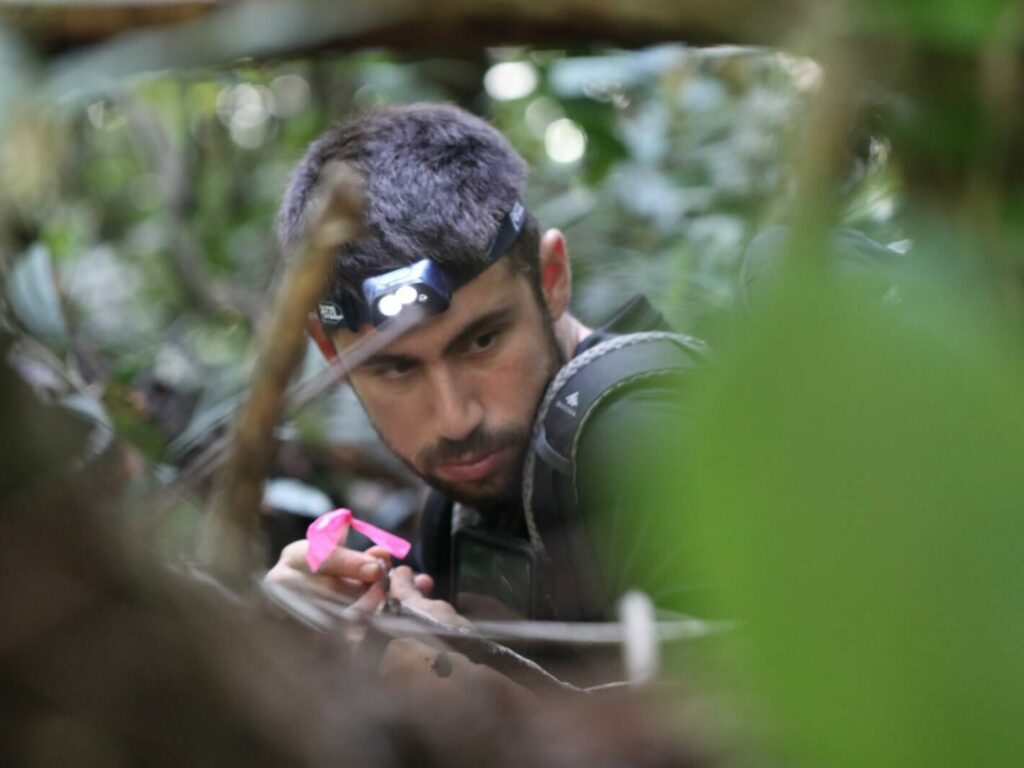
AK: I am currently a Master’s student at the University of Innsbruck. I completed my Bachelor’s degree at the University of Würzburg, where I first discovered my interest in ants. During my time there, I also gained valuable fieldwork experience through several student jobs. In my free time, I enjoy being outdoors and hiking in the mountains, which is one of the great things about living in Innsbruck. For a long time, I thought I might never find “my” study organism, until I worked on my Bachelor’s thesis about wound care in ants. Since then, ants have fascinated me in particular, although I also find other insect groups very interesting.
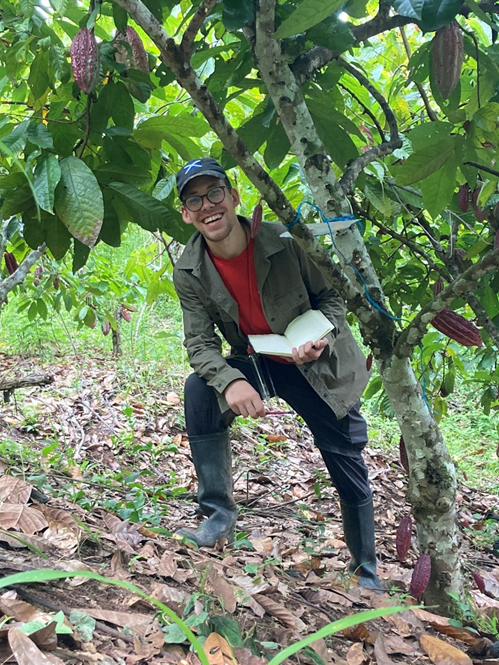
MKO: My interest in ants began around 15 years ago, when I kept my first Lasius niger colony as a pet in my room. This early fascination eventually led me to study biology and pursue a Master’s degree at the University of Würzburg, where I focused on ant diversity and the impact of leafcutter ants in a Peruvian cacao agroforestry system. I am now a PhD student in Heike Feldhaar’s group at the University of Bayreuth and part of the MonitAnt project, where my research focuses on myrmecophiles and fungal diversity in wood ant mounds.
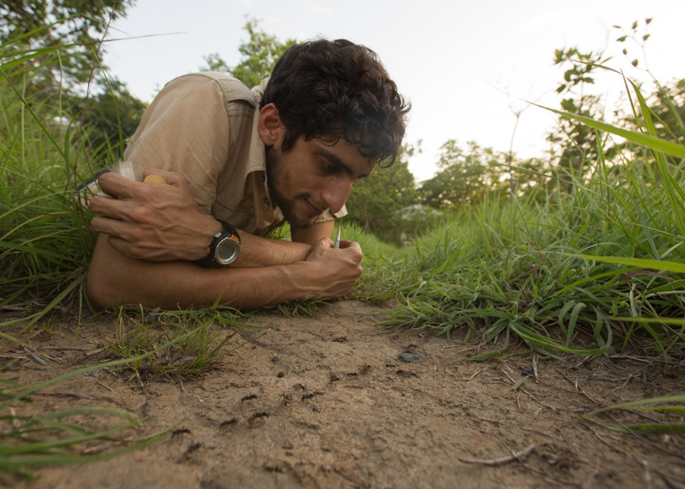
ETF: I have been working with ants since 2013, when I first discovered rescue behaviour focused on injured individuals. Since then, I have been delving deeper into understanding how ants care for their injured, discovering antimicrobial wound care and amputation behaviours as wound care strategies. I am now leading an Emmy Noether Group at the University of Würzburg with the aim of improving our understanding of the evolution of wound care behaviours in animals.
MNB: Could you briefly outline your research on “Feeding Ecology and Behavioral Adaptations Shape Injury Patterns in Central European Ants” in layperson’s terms?
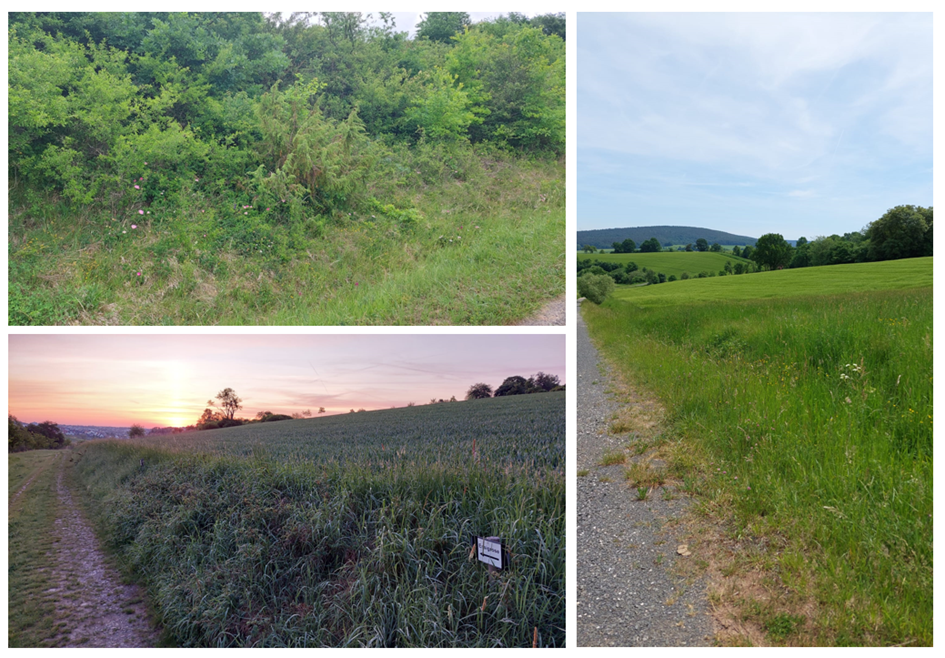
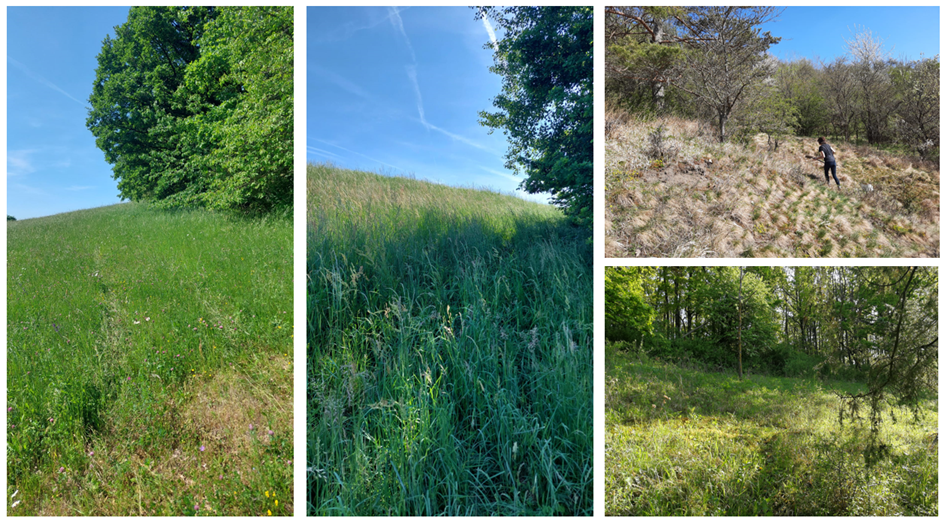
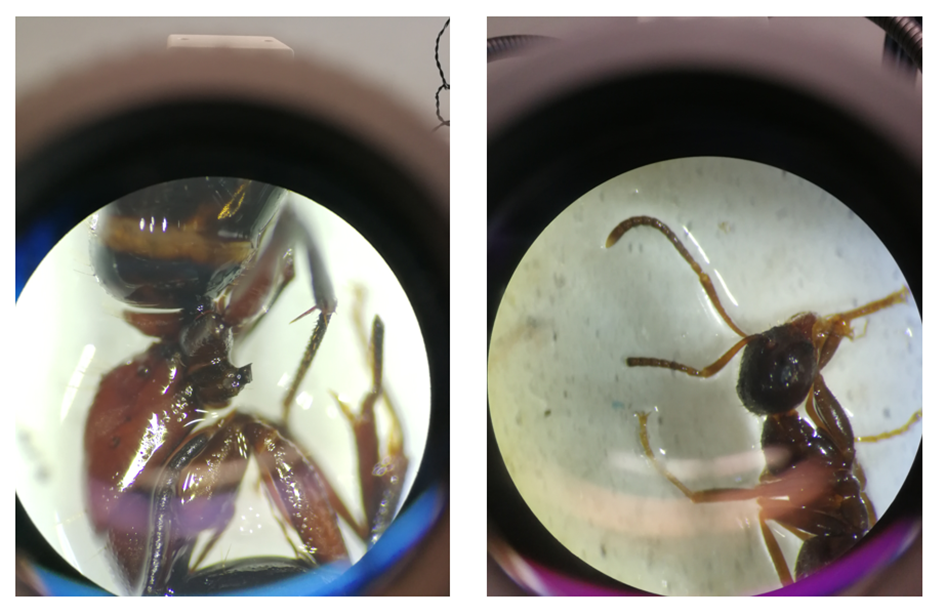
AK: In our research, we investigated how common injuries are in wild ants and whether their lifestyle influences the types of injuries they sustain. To do this, we collected nearly 10,000 ants from 34 different species across various habitats in Bavaria, Germany, and examined them under the microscope. We looked for injuries such as missing or damaged legs and antennae.
Overall, we found injuries in around 12% of all examined ants, although injury rates differed strongly between species. Particularly high injury rates were found in species such as Lasius niger and Lasius alienus, where about one quarter of the individuals were injured. In contrast, species such as the wood ant Formica pratensis showed much lower injury rates of around 4%.
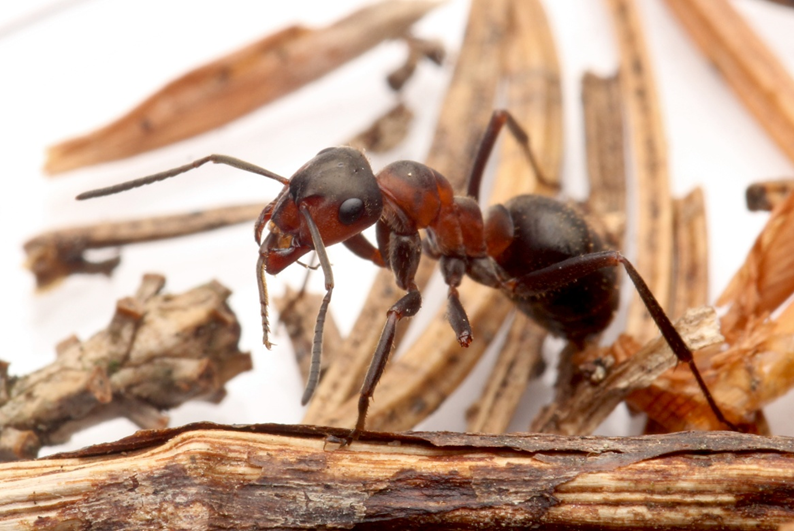
We also found that the type of injury was often linked to the ants’ ecology and behavior. Predatory ants that actively hunt prey showed more injuries to their legs, likely due to dangerous encounters with their prey. Species that mainly collect honeydew or feed more opportunistically showed more antennal injuries instead. This may result from frequent competitive or ritualised interactions with other ants, where antennae are particularly vulnerable.
One especially interesting aspect was that some injury patterns may provide clues about wound care behaviors. In certain species, we found unusually high numbers of injuries at specific leg segments, which could indicate that injured legs are deliberately amputated to prevent infections, a behavior already known from other ant species.
MNB: What is the take-home message of your work?
AK: …that injuries in wild ants are surprisingly common and strongly linked to their ecology and behavior. Our study shows that injury patterns differ strongly between species and are closely linked to their ecology. While predatory species more often suffer leg injuries, other species tend to show more damage to their antennae. These differences provide fascinating insights into the risks ants face in their daily lives and how behaviors such as wound care or amputations may have evolved over time.
MNB: What was your motivation for this study?
MKO: Pitfall traps are widely used in ecological studies, and even in non-ant-focused research, ants are almost always collected as bycatch, as was the case in our study. The samples originated from a beetle-focused project in which the ants would otherwise have been discarded.
Since Erik was already working on injury patterns in ants, we saw this as a valuable opportunity to investigate injuries in Central European ant species and, at the same time, assess whether pitfall traps are a suitable method for estimating injury rates in ants.
MNB: What was the biggest obstacle you had to overcome in this project?
MKO: Identifying and quantifying injuries was labor-intensive and time-consuming, but once completed, it provided highly valuable insights. Another key challenge was demonstrating that the observed missing body parts were indeed the result of injuries rather than other factors.
To address this, we conducted both hand collections and pitfall trapping of L. niger workers across different colonies. This allowed us to show that injury rates estimated from pitfall traps closely matched those observed in hand-collected individuals. However, it is important to note that a survival bias likely still exists in our study.
MNB: Do you have any tips for others who are interested in doing related research?
ETF: Pitfall traps are a surprisingly powerful tool for this kind of research. They are cheap, easy to deploy at scale, and the samples can be used to answer many different questions simultaneously. If you are working with pitfall trap samples from other projects, it is always worth checking the ants for injuries, as they would otherwise be discarded anyway. I would also recommend always including a validation step, such as comparing pitfall-collected individuals with hand-collected ones, to rule out any sampling bias. But overall, I believe we are sitting on a treasure trove of potential injury ecology data in universities and museums, and I encourage my colleagues to look at them to better understand the importance of injuries and potential mechanisms to reduce injury costs in the biology of ants.
MNB: Where do you see the future for this particular field of ant research?
ETF: I think injury ecology in ants and the wound care behaviours that evolved in response are still very much in their infancy. The sheer ubiquity of injuries across species, combined with the growing number of observations of wound care behaviours, suggests that these strategies are far more widespread in ants than we originally thought. We now have evidence that injuries vary systematically across species, but we have very little understanding of how non-predatory species get injured, or how injuries and wound care behaviours co-evolve. For instance, why do some species use antimicrobial metapleural gland secretions during wound care while others conduct amputations? Expanding this kind of comparative approach to other regions would be particularly exciting to see if these patterns hold globally. I also think that combining injury rate data with experimental work on wound care will help us understand not just how ants treat injuries, but also how important saving the injured could be for the evolutionary and ecological success of ants.






Recent Comments