Author: Myrmecological News Blog
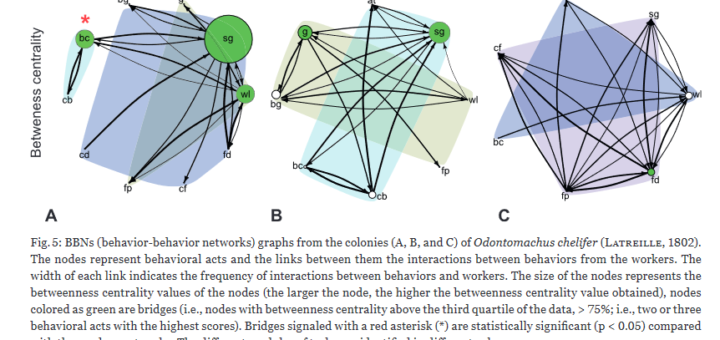
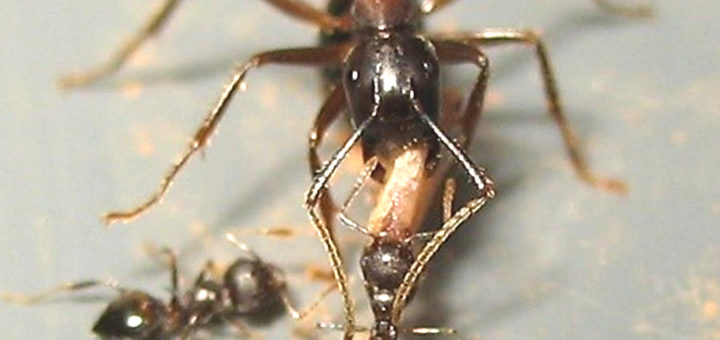
In the recent paper “Worker-behavior and behavior-behavior interaction networks in the trap-jaw ant Odontomachus chelifer (LATREILLE, 1802) (Hymenoptera: Formicidae)” published in Myrmecological News, the authors...
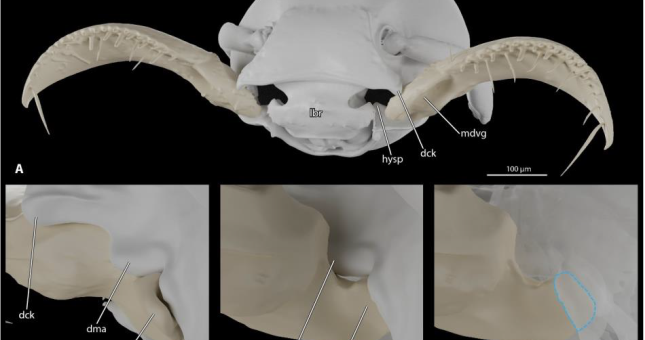
In the recent study “The head anatomy of Protanilla lini (Hymenoptera: Formicidae: Leptanillinae), with a hypothesis of their mandibular movement” published in Myrmecological News, Richter...
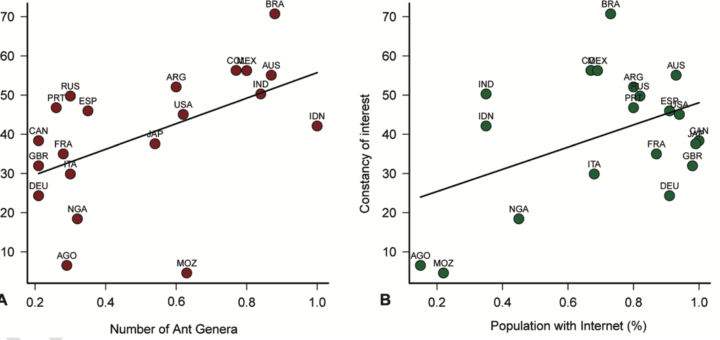
In the recent paper “No matter where you are, Ants (Hymenoptera: Formicidae) get attention when it is warm” published in Myrmecological News, Queiroz et al....
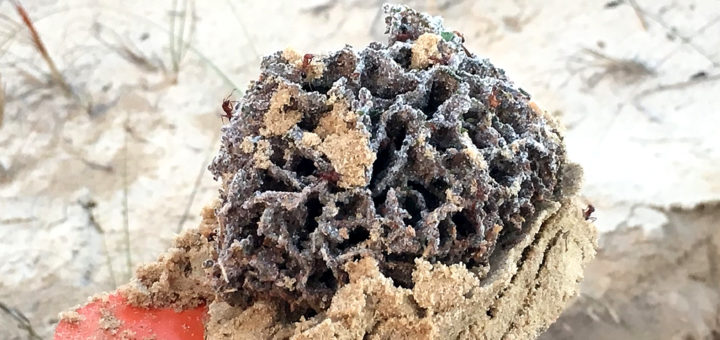
Many insects coat their body surfaces with cuticular hydrocarbons (alkanes, alkenes, etc. with various chain lengths), which act as desiccation resistance and communication tool. Florian...
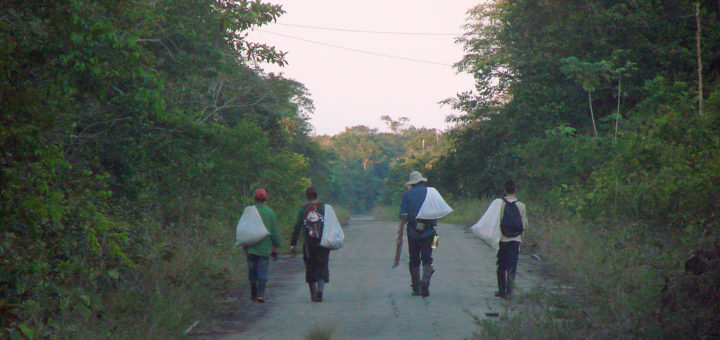
In the recent paper “Distribution of epigeic and hypogeic ants (Hymenoptera: Formicidae) in ombrophilous forests in the Brazilian Amazon” published in Sociobiology, the authors Marcos...
In the recent paper “Amoimyrmex Cristiano, Cardoso & Sandoval, gen. nov. (Hymenoptera: Formicidae): a new genus of leaf‐cutting ants revealed by multilocus molecular phylogenetic and...
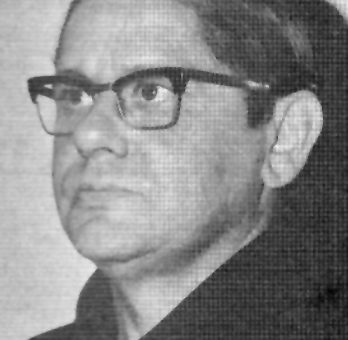
The year 2020 marked the centenary of the birth of the German-Brazilian myrmecologist, Dr. Frei Walter Wolfgang Franz Kempf, O.F.M., (1920-1976), whose remarkable research contributed...
Karine S Carvalho is a biologist and professor at the State University of Southwest Bahia, Brazil. Her main focus is on the conservation of biodiversity...
Recently, several eminent ant researchers agreed to becoming Subject Editors for Myrmecological News. Welcome on board! We asked them a few questions on their ant...
Philip Bunting 2020, Scholastic Australia, 32 pages, ISBN 9781743834084Published in Dutch by Uitgeverij Condor as ‘De wereldse wijsheid van de mier’Published in English by Scholastic...








Recent Comments