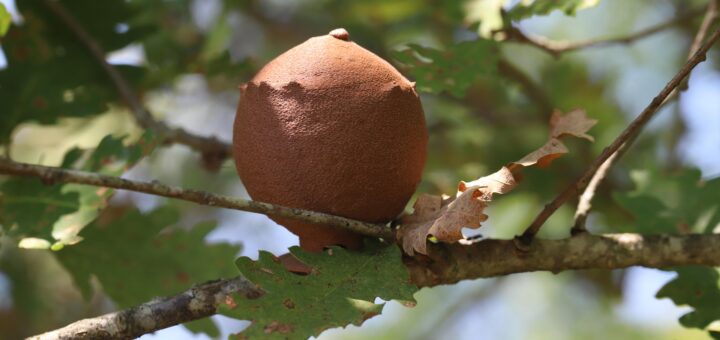
Can fake galls attract real helpers?
In their recent paper “Introducing 3D-printed oak galls as artificial nests for arboreal ants, with first results on leaf damage reduction on olive trees“, Daniele...

In their recent paper “Introducing 3D-printed oak galls as artificial nests for arboreal ants, with first results on leaf damage reduction on olive trees“, Daniele...
In their new review article “Occurrence of honey bee (Apis mellifera) pathogens in ants (Hymenoptera: Formicidae): a systematic review” , Tiritelli et al. investigated occurrences...
A commentary by Eva Schultner accompanying the new study by Jalen D. Dunn et al., “Larval chemical cues induce rapid changes in foraging preferences of...
In 2023, Myrmecological News awards for the sixth time the Best Paper of the previous year. From January 9 to January 23, the editorial board...
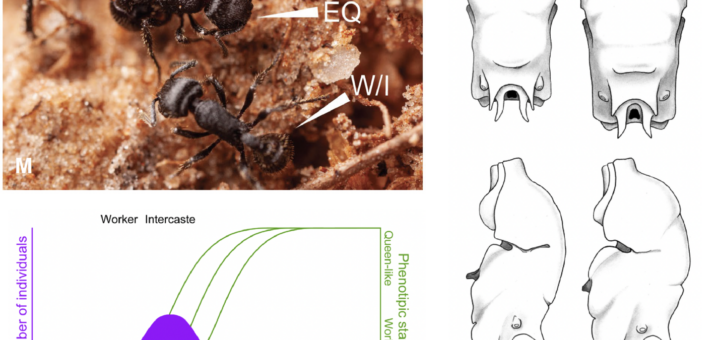
In the recent paper “Three new species of the ant genus Leptanilla (Hymenoptera: Formicidae) from China, with a key to the world species”, the authors...
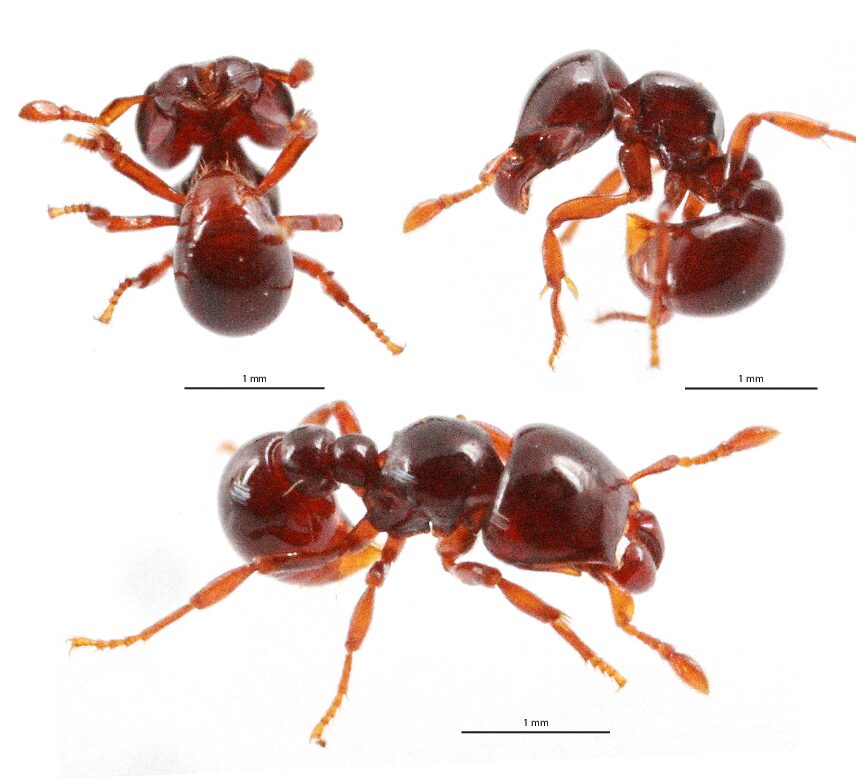
A View by Brendon BoudinotEdited by Alice Laciny and Patrick Krapf In the recent paper “Biological notes, nest architecture, and morphology of the remarkable ant...
The Myrmecological News Blog has been online for over five years now (wow – since May 2018), and each year, Myrmecological News Blog and its...
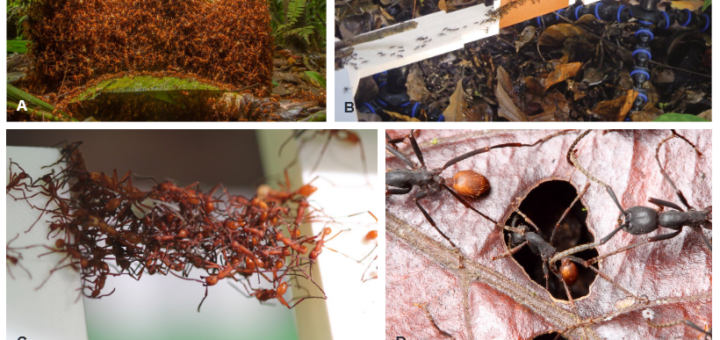
In the recent review article “How to become one: the proximate mechanisms of self-assembly behaviour in social insects (Insecta: Hymenoptera, Apidae)” published in Myrmecological News,...
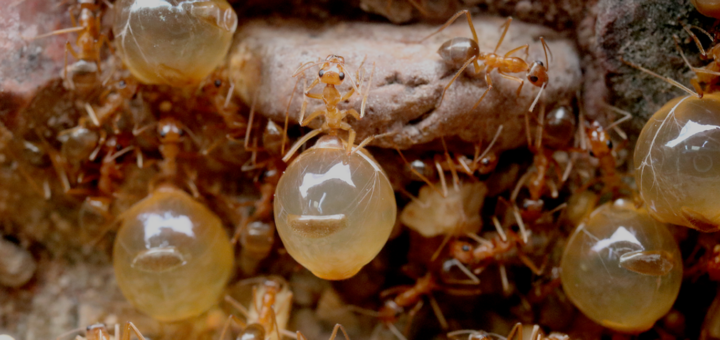
In the recent paper “The first fossil replete ant worker establishes living food storage in the Eocene” published in Myrmecological News, Sawh et al.* focus...
In 2022, Myrmecological News awards for the fifth time the Best Paper of the previous year. From January 9 to January 23, the editorial board...









Recent Comments