
Highlighting the big impacts of tiny engineers
In their recently published review “Ground-nesting ants as engineers of microbial landscape”, Longmeyer et al. compiled our current scientific knowledge about ground-nesting ants and their complex relationships with the soil, including the microbial communities therein. In this interview, lead author Jacob Longmeyer tells us about his newly discovered love of ants as well as the joys and challenges of writing a multi-faceted review paper.
Interview written by Jacob Longmeyer with input from co-authors Nikesh Dahal, Nicholas Medina, and John Vandermeer.

© Michigan Photography



© Christine Purdy, CC BY 2.0
Interview edited by Alice Laciny and Salvatore Brunetti
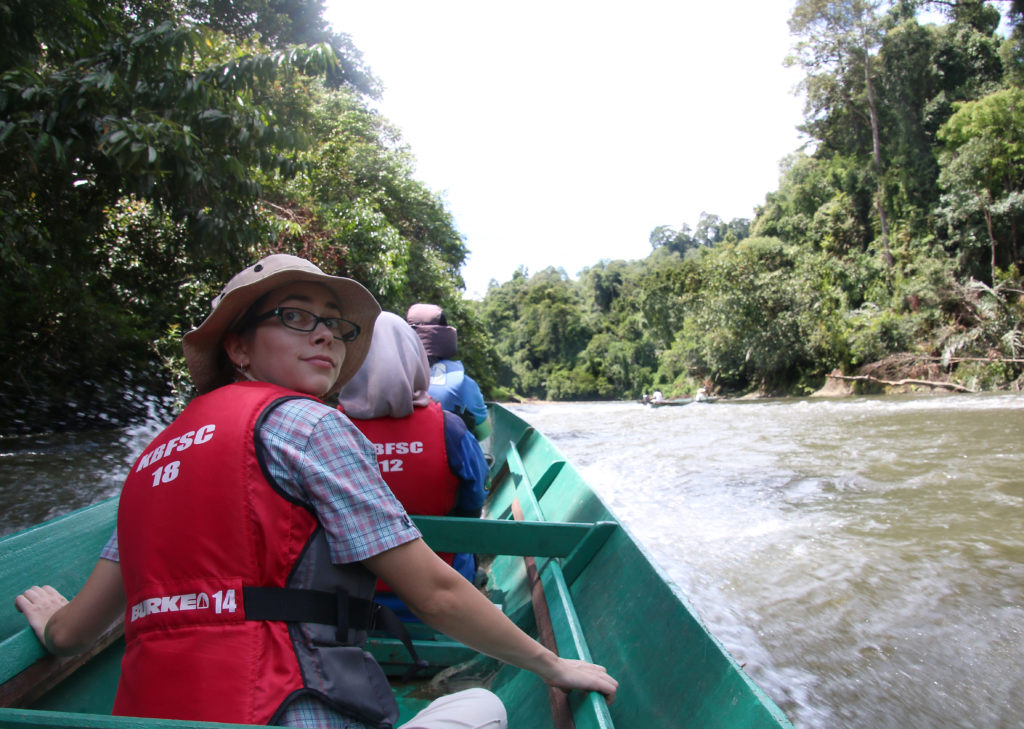
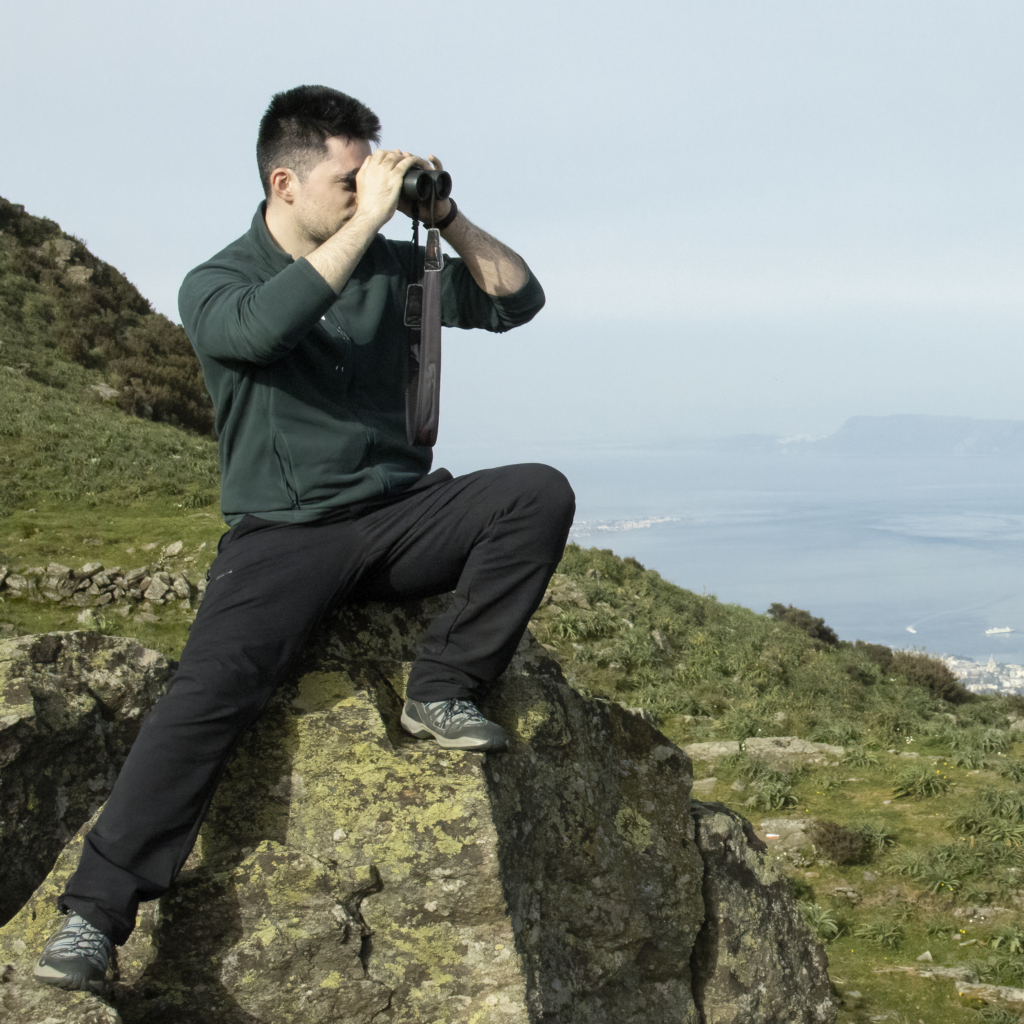
MNB: Could you tell us a bit about yourself?
JL: I am currently a third-year PhD student at the University of Michigan, and I work with ants and earthworms and their relationship to soil health in coffee farms in Puerto Rico. I have always been interested in agroecology and how we can sustainably manage the natural systems that support us, but throughout this degree I have come to love ants as well, especially working in a tropical environment where they are so abundant.

© Jacob Longmeyer, Copyrighted (2025).
MNB: Could you briefly outline your research on “Ground-nesting ants as engineers of microbial landscapes” in layperson’s terms?
JL: In constructing their homes, ground-nesting ants rework the structure of the soil and build their nest to maintain specific environmental conditions. In the process of doing this, the microbes are also affected in unique ways. Our review looks at what we know and don’t know about how these ants affect microbes, along with ways to answer these questions.
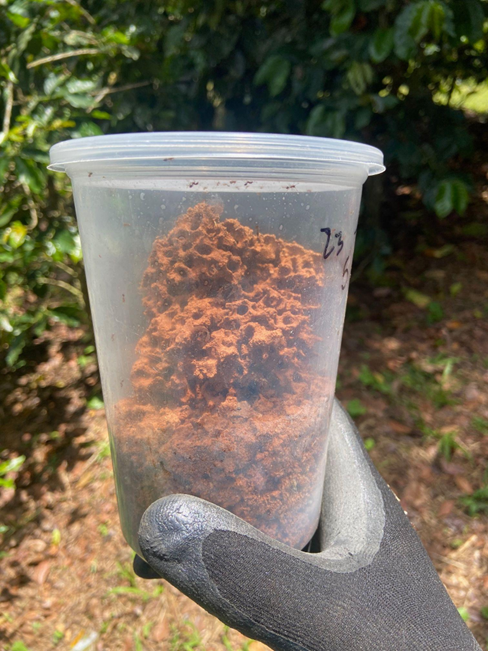

© Jacob Longmeyer, Copyrighted (2025).
MNB: What is the take-home message of your work?
JL: Ground-nesting ants can be an important actor mediating soil microbial communities, which are incredibly diverse and responsible for carrying out many soil ecosystem processes. Although most of this research is focused on the nest scale, these effects occur across disparate spatial scales from individual soil aggregates to entire landscapes. Microbial work can be daunting for a myrmecologist, as well as for animal ecologists broadly, but we try to highlight interesting ant-microbial questions along with microbial ecology methods to address them in an accessible format.
MNB: What was your motivation for this study?
JL: Our research interests as co-authors range from ants to microbes to soil with a particular eye for theory, so putting all of these interests together resulted in the review you see today. As high-throughput technologies become more accessible, we are faced with mountains of data and not enough theory or conceptual frameworks to understand and parse through them. In this review we were inspired by the emerging field of zoogeochemistry and wanted to provide some insights into understanding what effects ground-nesting ants have on soil microbial communities as well as animal-microbe interactions more broadly. We also wanted to incorporate context dependency, from variation across nest chambers to community-level ant mosaics across landscapes.
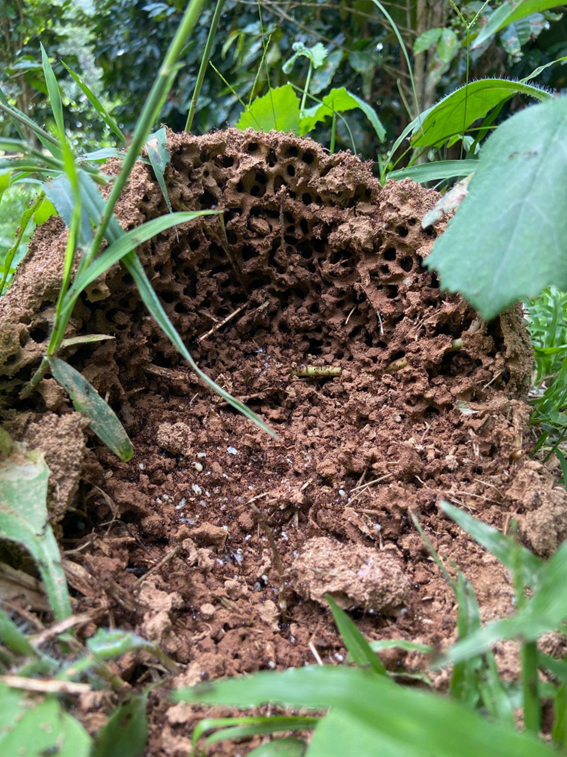
© Jacob Longmeyer, Copyrighted (2025).
MNB: What was the biggest obstacle you had to overcome in this project?
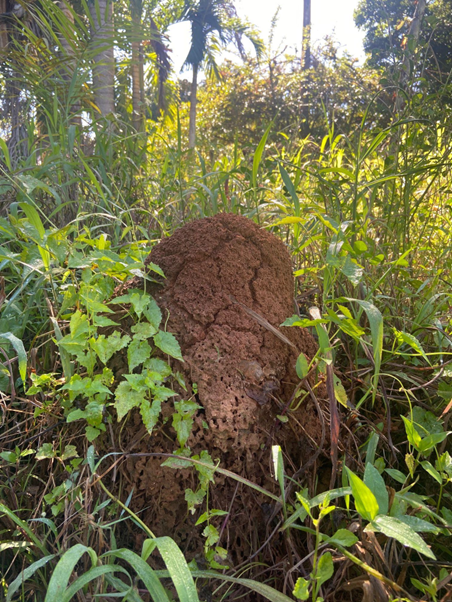
JL: Refining the scope of the paper was our biggest obstacle, since the impact of ants is so multi-faceted and broad. Ground-nesting ants make extensive use of an impressive range of various antibiotic substances that they use to shape the microbiome of their nest, along with social behaviors like necrophoresis (i.e., removal of dead colony members) and grooming aimed towards the same goal. We also had different theoretical frameworks we grappled with, from extended phenotype ideas suggesting nests are direct extensions of genetic material, to more flexible metacommunity concepts that consider patch sizes, dispersal rates, and regional occupancy as basic parameters. It’s really interesting to think and write about all of these, but they are whole topics unto themselves and deserve their own reviews (some of which have already been written and published in Myrmecological News!). Figuring out our delineation and scope of the paper was a challenge because we wanted to be thorough but also had to have a good focus.
© Jacob Longmeyer, Copyrighted (2025).
MNB: Do you have any tips for others who are interested in doing related research?
JL: Understanding natural history and spending time outdoors is key! All the data in the world are useless without good theories to understand them. Beyond this, we wanted to provide a useful guide to microbial ecology methods for myrmecologists interested in investigating the intersection of ants and microbes, so definitely have a look at it and take a stab at it yourself!

© Jacob Longmeyer, Copyrighted (2025).
MNB: Where do you see the future for this particular field of ant research?
JL: We hope to see more research about the relationship between ants and microbes at different spatial scales. Ants facilitate dispersal across chambers within patchy microbial metacommunities and disperse microbes across larger distances through tunneling, foraging, and nuptial flights, which represent a great opportunity to think about how ants affect microbes across many spatial scales. Additionally, the nest is a common unit of research, but it is easy to think of them as static or monolithic. We also hope that future research integrates context dependency over space and time, for example looking at colony age, latitudinal gradients, and species or guild-specific differences.







Recent Comments