Microbes, molecules, and mates: Unraveling nestmate recognition in Pheidole megacephala
How do ants identify who is a nest mate vs. who is not? Cuticular hydrocarbons (CHCs) have been demonstrated to drive such recognition. In the invasive African big-headed ant, Pheidole megacephala, colony the authors show that environment, genetics, and bacterial symbionts may impact CHC profiles and affect nest mate recognition. In their latest article, ‘Genetics, cuticular hydrocarbon profiles, and bacterial endosymbionts are associated with nestmate recognition in the invasive African big-headed ant Pheidole megacephala in Taiwan‘, the authors reveal how the environment and Wolbachia may mediate aggression among workers from different colonies by examining genetic relatedness, CHC profiles, and bacterial endosymbionts — specifically infection by Wolbachia. Their findings from urban and forest populations in Taiwan highlight an under appreciated link between Wolbachia, colony-level trait, and social behavior.
Edited by Rohini Singh and Salvatore Brunetti


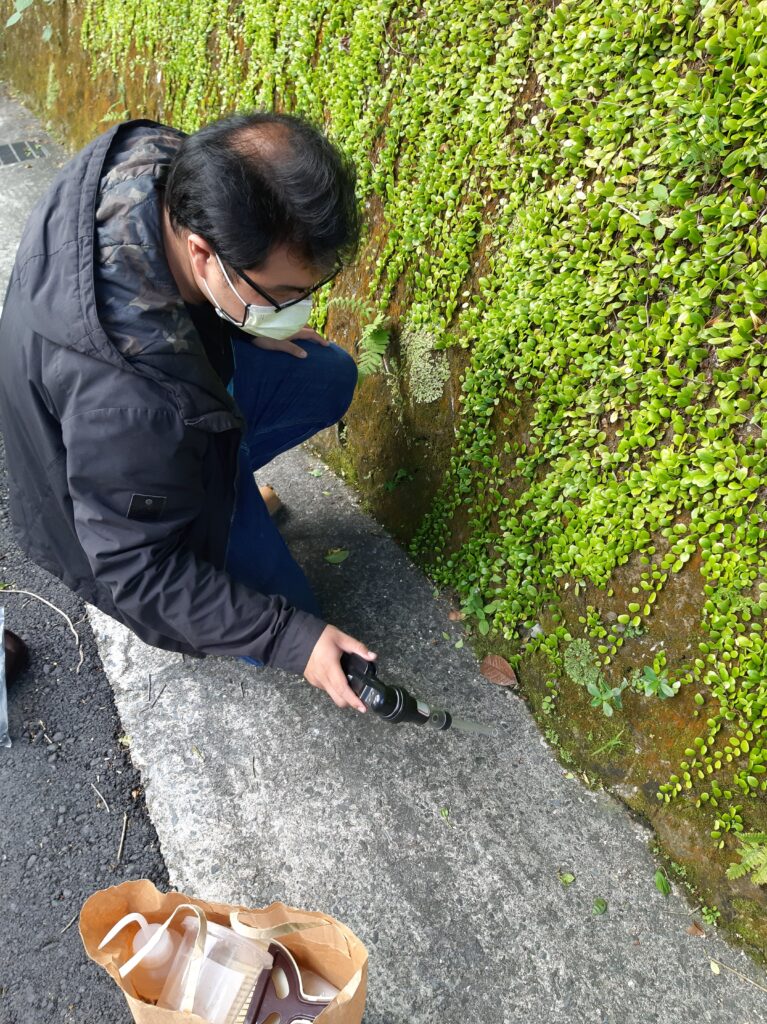
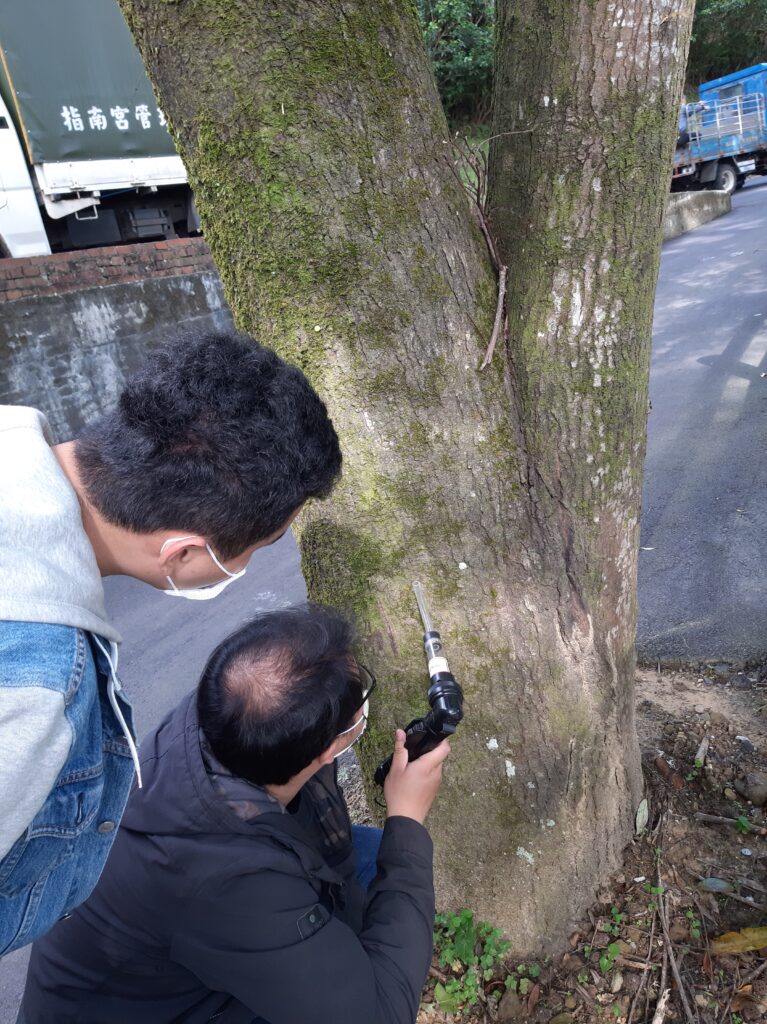


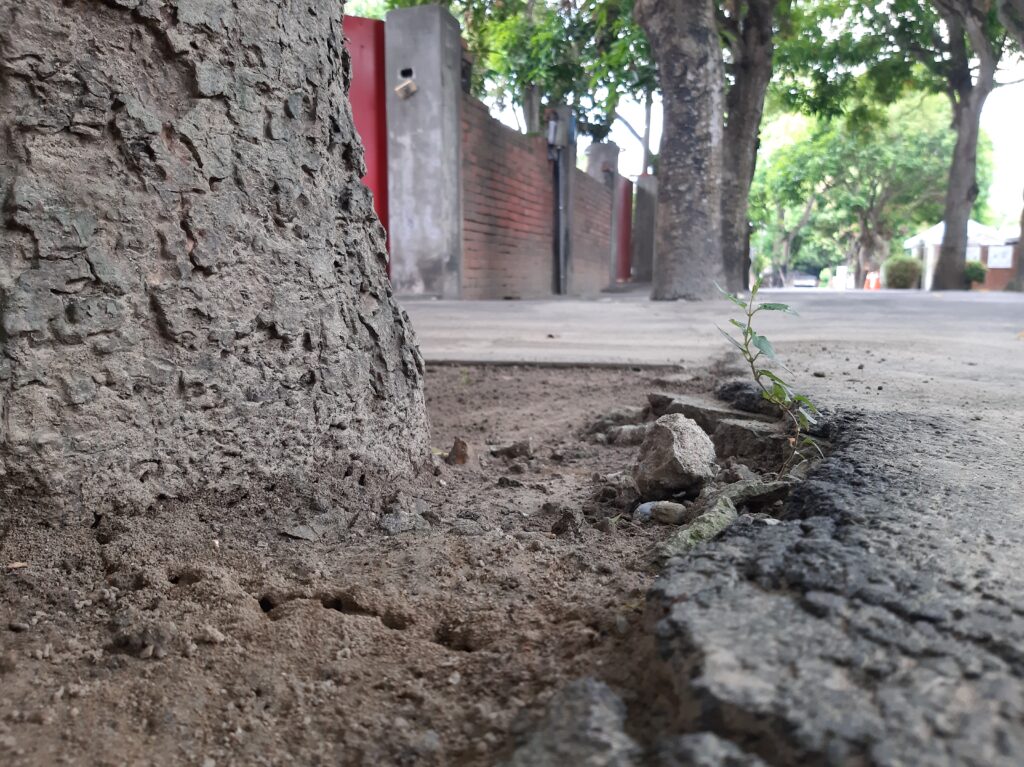
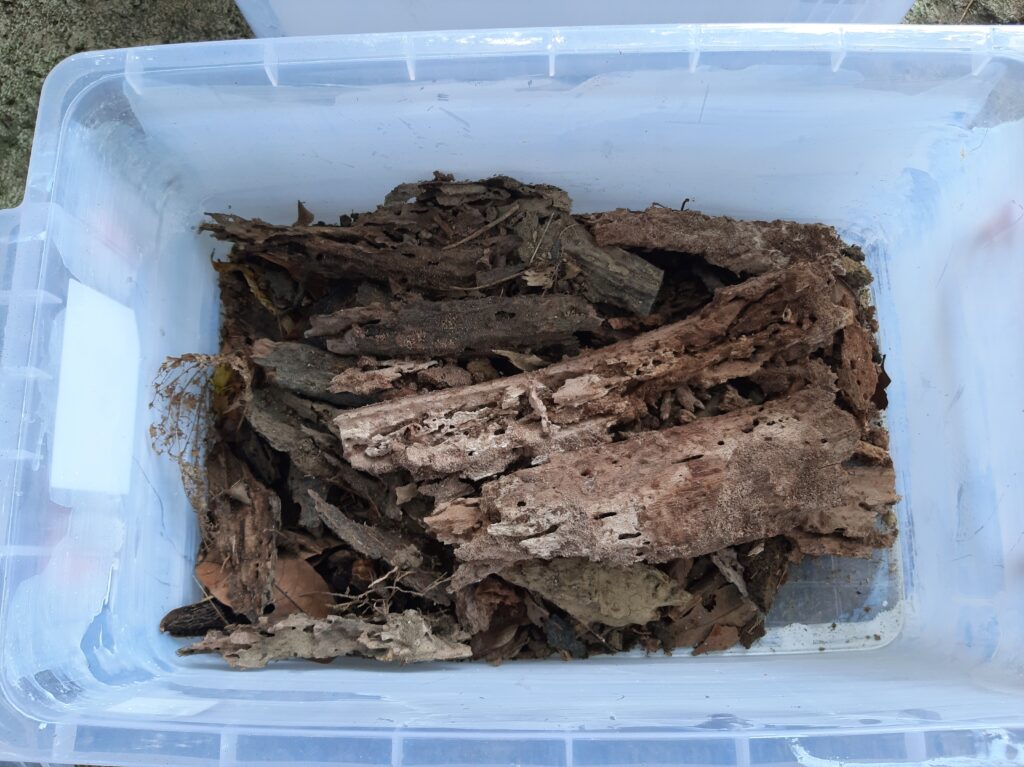


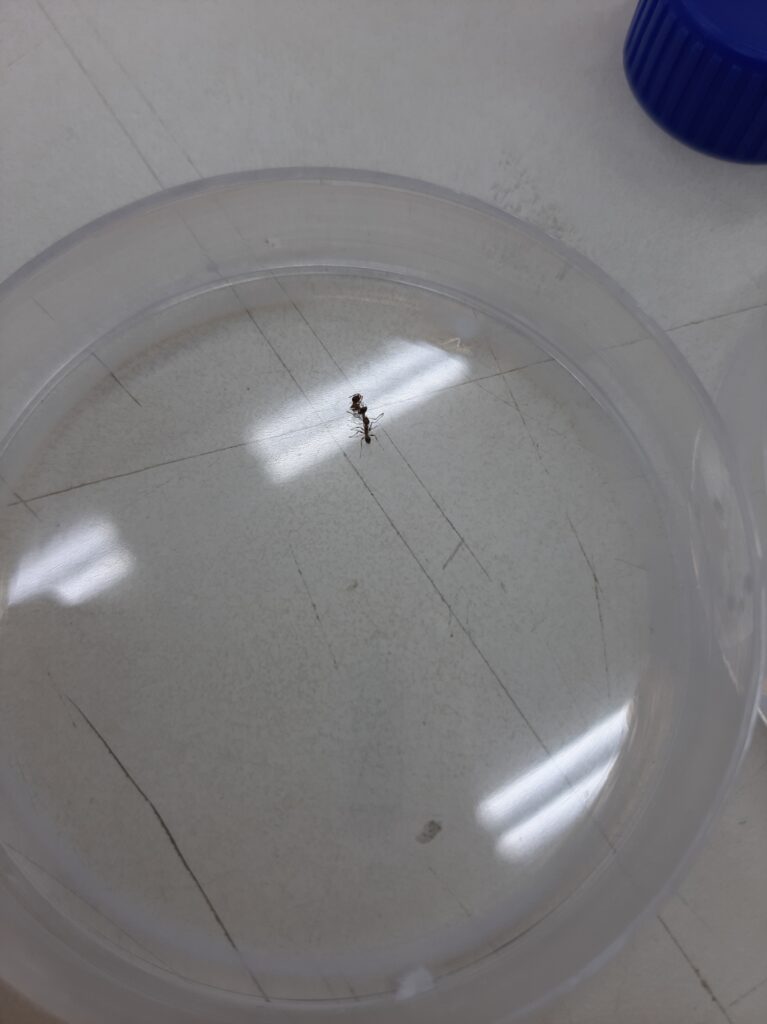


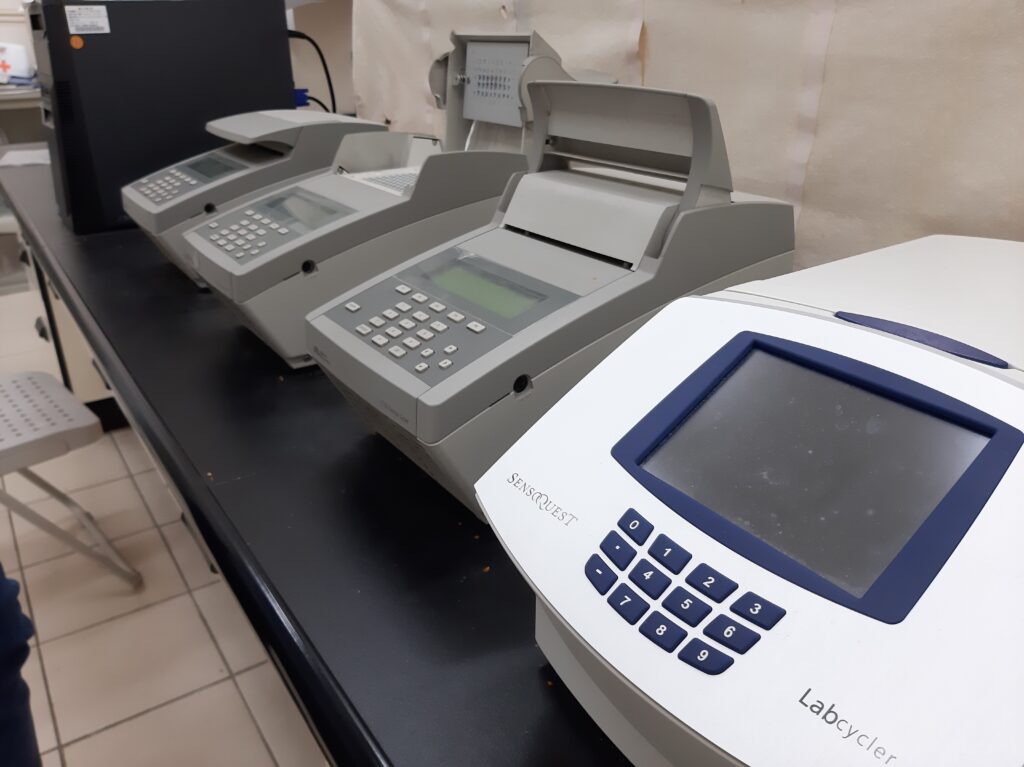
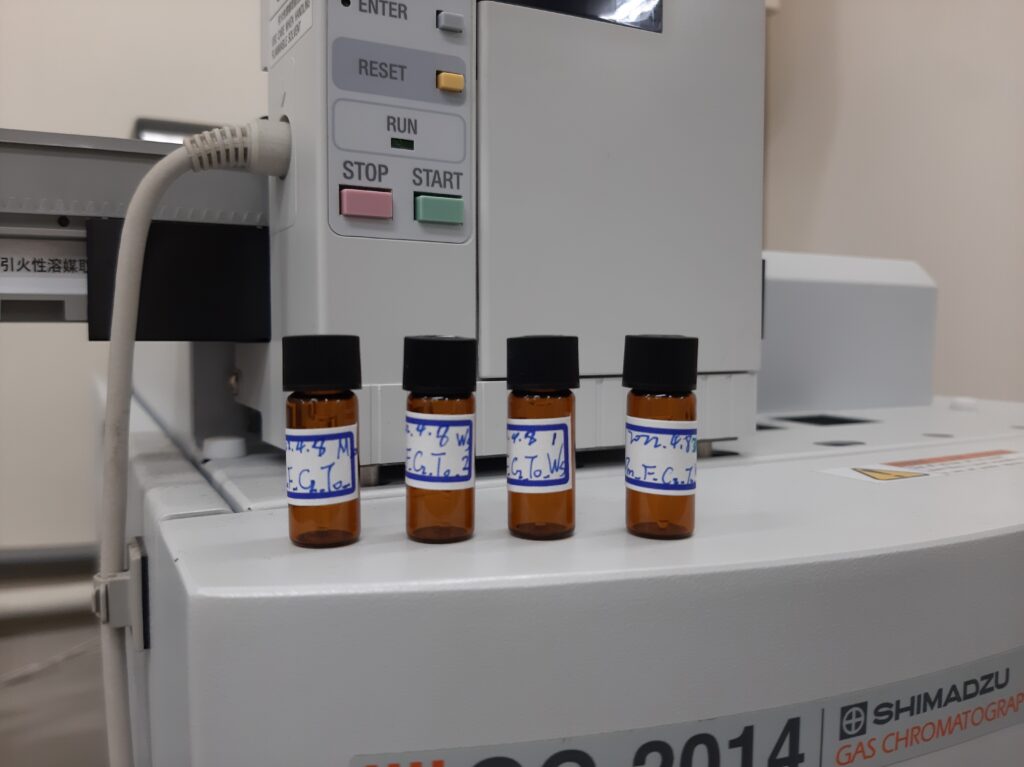

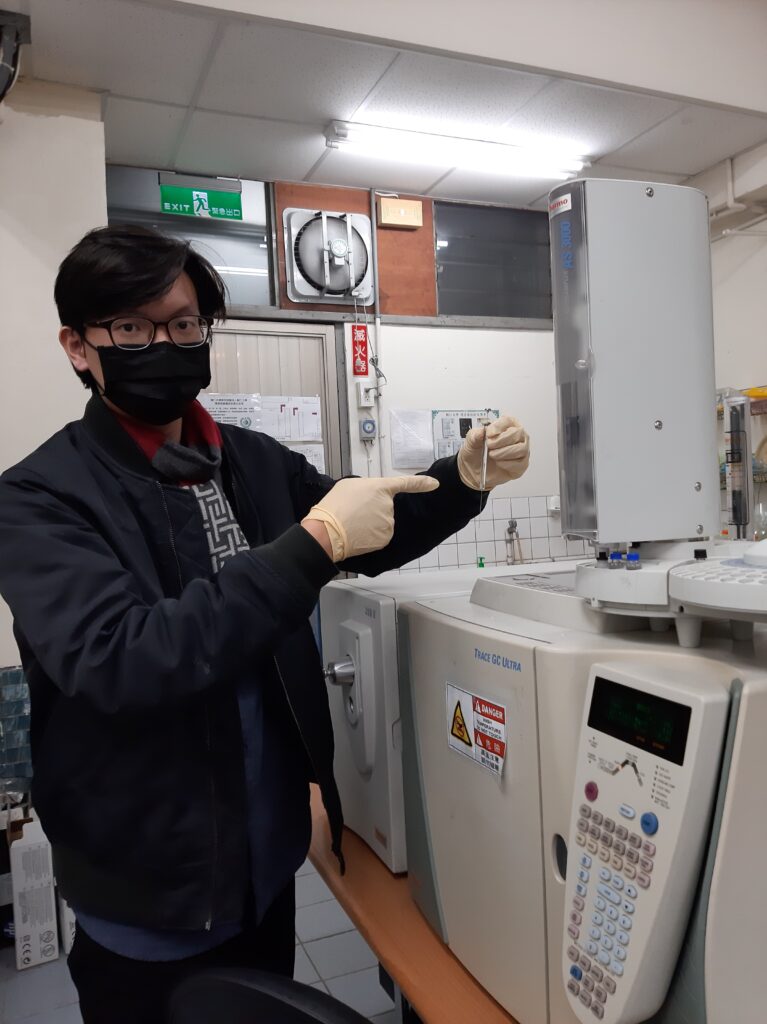


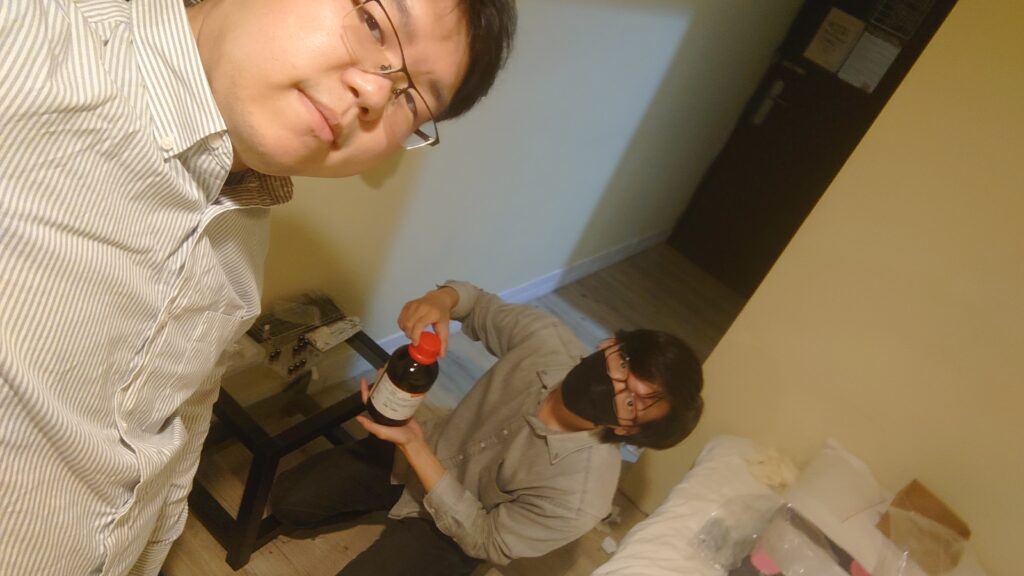
Ant colony investigation, collection, and identification in Taiwan (April–August 2022), chemical analyses conducted at the Department of Entomology, National and Ant and microbiota DNA analyses conducted at the Department of Entomology, National








Recent Comments