
Doing an ant PhD: Nils Schumacher’s challenging canopy ant research
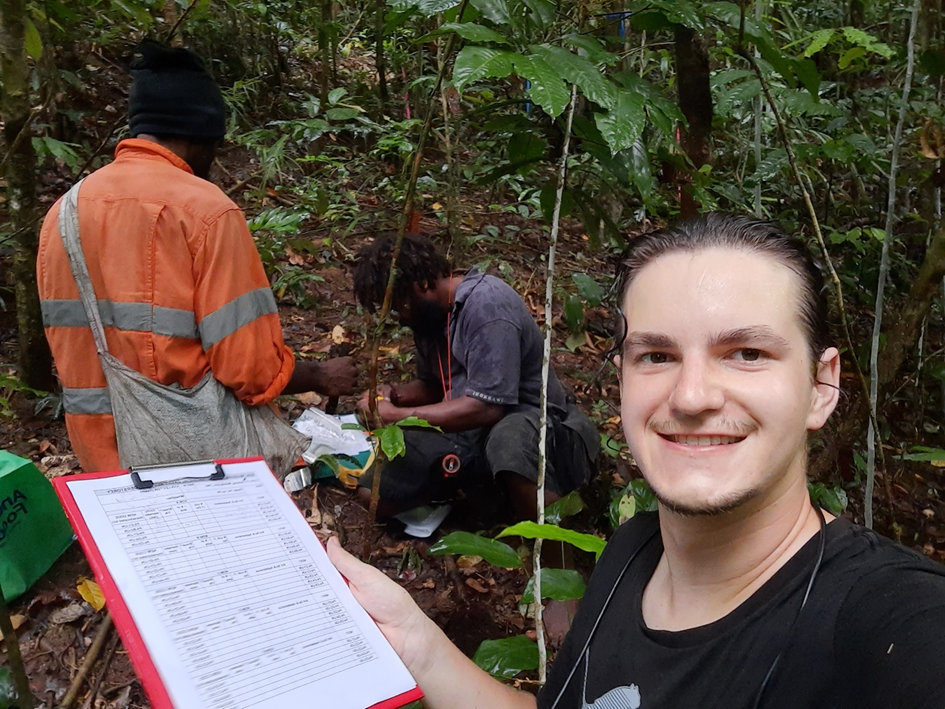
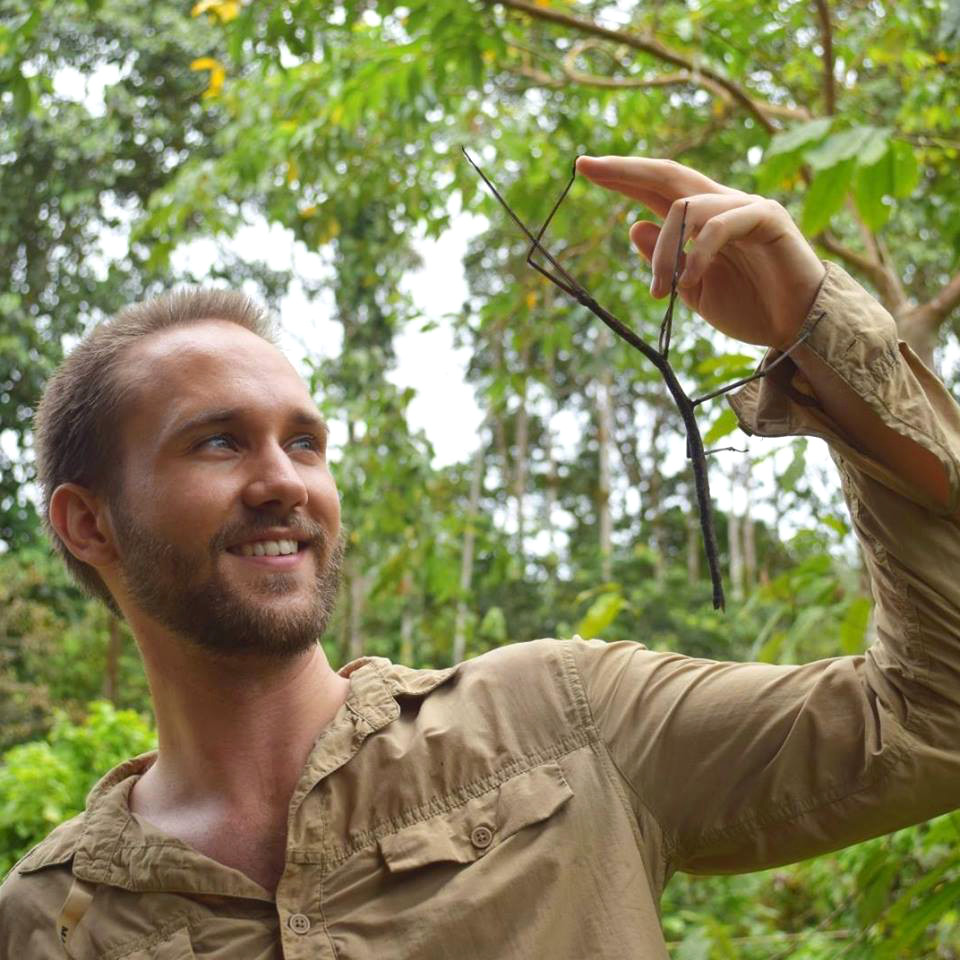
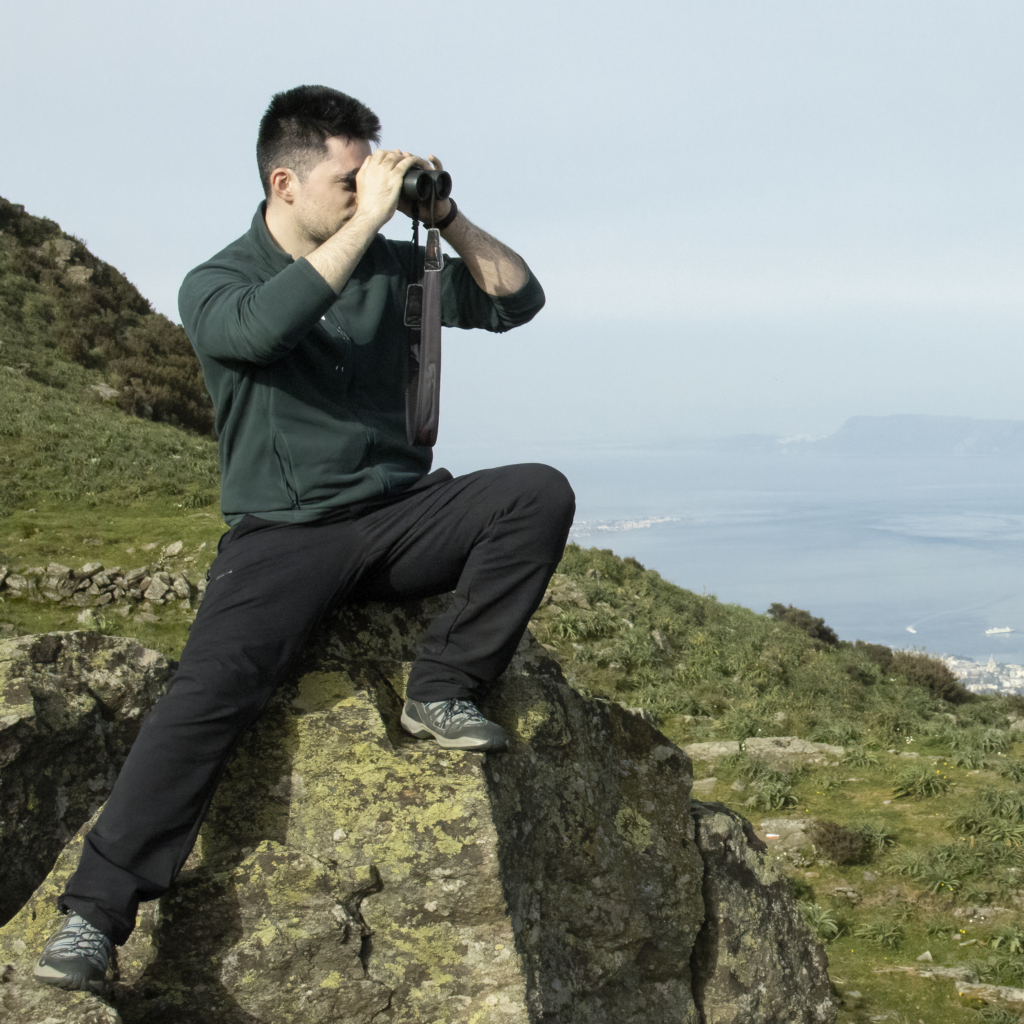
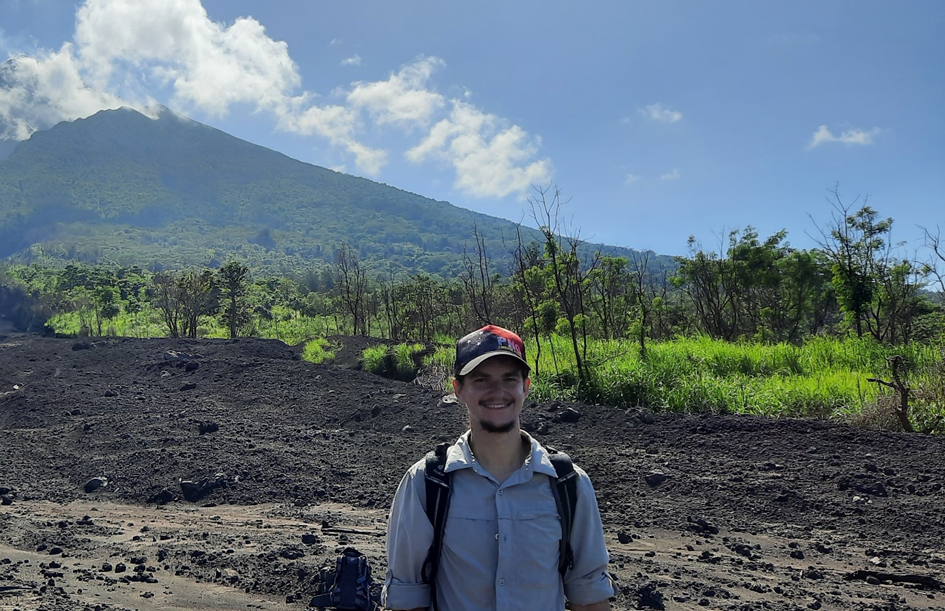
Nils Schumacher is a PhD student at the University of South Bohemia in Budweis, Czech Republic. Under supervision of the New Guinea ant expert Petr Klimes, he studies the perhaps most challenging of all ant communities: Those which dwell high up in the canopy. Originally from Germany, Nils life long passion for the little critters eventually led him on long and interesting ant research journeys across the world.
In this interview, he shares his secrets of doing field work in remote areas and his future plans in science.
An interview by Nils Schumacher
Edit by Philipp Hönle and Salvatore Brunetti
MNB: What is the topic of your PhD thesis?
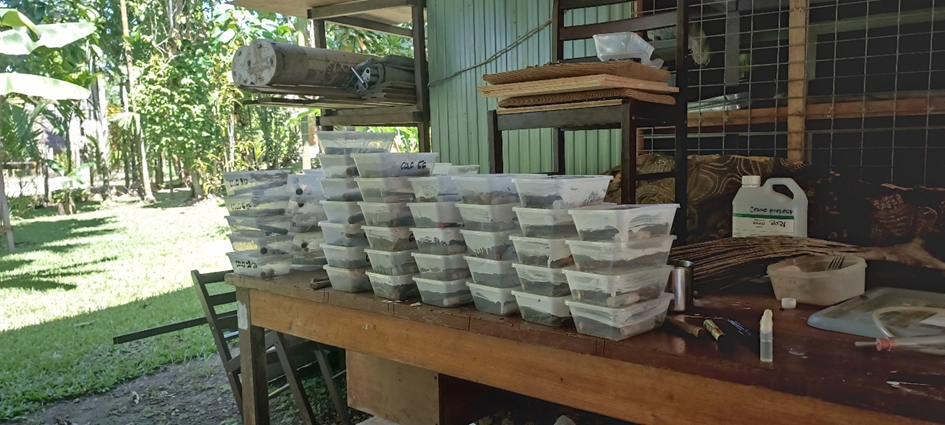
NS: I study ant communities in the forests of Papua New Guinea, trying to understand the roles of competition and the environment which shape ant communities in the vast canopies.
MNB: In which year of your PhD studies are you now?
NS: I’m currently in my fourth year.
MNB: Why ants?
NS: Ants are my all-time favourite. The passion started when I was a teenager, including meeting people who were also interested in them. But apart from ants, I have a fondness for all kinds of small and larger creepy-crawlies and ecology.
MNB: How do you feel about fieldwork?
NS: I generally love fieldwork, especially in the tropics. I might be biased, but the incredible biodiversity there is hard to beat.
MNB: Do you know and like to identify ants using a key?
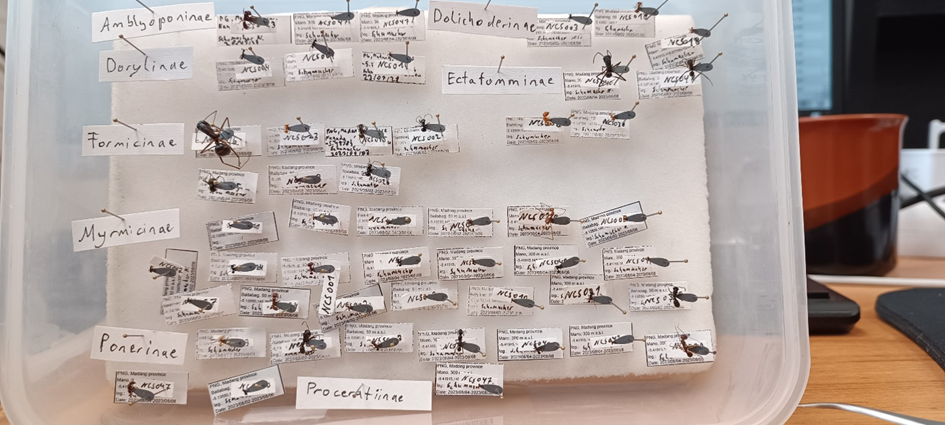
NS: Yes, though it depends on how well the key is made and how difficult the ant group is. When done properly, it feels like solving a puzzle, challenging but rewarding.
MNB: And how do you feel about working in the wet lab, if you do any?
NS: I haven’t done much wet lab work, but I find it intriguing and believe it can provide valuable insights into ant biology.
MNB: And have you been involved in any of the -omics approaches, and what was your experience?
NS: Not yet, but I find -omics approaches fascinating, especially for understanding ecological networks and species interactions.
MNB: Now a slight change in topic: Did you acquire your statistics knowledge in university courses, from your supervisor, or on your own?
NS: It’s a mix of all you mentioned. First, I started to learn the basics at the university, then did PhD courses, and there is also a lot of helpful guidance from my supervisor. And, not to forget, also self-study. I started to learn about statistics at the university. Ultimately, my statistical knowledge was tied mostly to specific questions which came from various different questions during my studies.
MNB: What is the ideal frequency of meeting your supervisor for discussing your research from your point of view: daily, weekly, monthly?
NS: My personal preference would be weekly meetings.
MNB: And if you have a great idea, how do you find out if it’s really great: sitting down and thinking, discussing with your supervisor, discussing with colleagues from the group, discussing with someone not into science?
NS: I love to discuss with my supervisor and colleagues. Conversations often spark great ideas, but I still need quiet time to think things through on my own.
MNB: And tying to this: How many papers do you read in an average week?
NS: Depends on my workload. When I’m actively writing or searching for literature, it can become around 5–10 papers per week…
MNB: And in an ideal world, is the working group you belong to small or large?
NS: Rather small, so that the supervisor has time to spent his workload with students.
MNB: Now regarding fieldwork: Ideally, is your uni close to your fieldwork site or in an urban area?
NS: Close to fieldwork, so I can go out easily.
MNB: So packing all the equipment for fieldwork will take some thinking and time, I guess?

NS: Yes, there’s quite a bit of planning involved, especially if you do a long journey and have only limited ability to get missing equipment later on. Always bring spares. But honestly, most of the time goes into administration, such as asking for permits or visas rather than the actual packing.
MNB: Have you profited more from attending conferences with narrower or with a broader scope?
NS: Rather narrower scope. Partly because its way easier to approach people and get in contact with. Big conferences are good to widen your horizon though and see what else is going on.
MNB: And what is most relevant to you at a conference: attending talks, giving a talk, meeting senior scientists, meeting other students?
NS: I’d say meeting people. Presentations can serve as great conversation starters and lead to collaborations or new ideas.
MNB: Did you ever participate in a science slam and if so, what was your experience?
NS: Only as an audience member. I think it’s a fantastic and creative way to communicate science in a more artistic, engaging format, and it can be a lot of fun.
MNB: So you probably developed many skills for efficiency?
NS: I hope so. Guess structuring helps and some tools come in handy.
MNB: If you would get 100,000 Dollars to spend on your research project, what would you do with it?
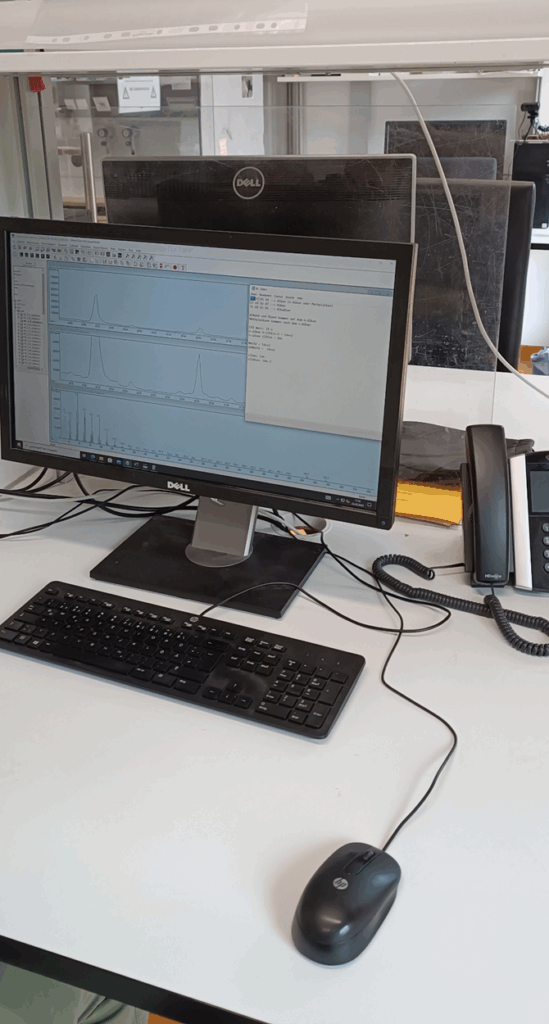
NS: I would use some of the funding to study trophic interactions and species traits at a deeper level. For example, to measure previously unexplored ecological traits, I’d use chemical analysis and Micro CT.
Considering how expensive projects are, the 100,000 Dollars to organize and support field and lab work, including local collaboration, training and equipment, are quickly used up. Currently, long-term ecological monitoring of ecosystem services provided by ants, especially in agroecosystems or anthropogenically impacted landscapes, would be amazing, but a larger project.
MNB: And what helps you best in your spare time to relax from work?
NS: Outdoor sports—especially climbing, whether in the gym or on real rock. I also enjoy hiking.
MNB: How do you celebrate successes like getting a paper accepted, a proposal granted, or the like?
NS: Usually I meet with friends, family, and colleagues. A celebratory drink, alcoholic or not, is a classic way to mark the moment.
MNB: What is your personal trick to get over periods of low(er) motivation?
NS: I try to set small, manageable goals to build momentum.
MNB: And what do you do to get over frustration about what you consider as unfair criticism by a reviewer?
NS: Consolidation with friends and family. Best with coffee and cake. Even though I don’t remember having a hard time yet.
MNB: What is the one thing you would do differently when starting your PhD thesis again?
NS: I’d structure my work more deliberately, setting clear tasks and goals from the start to stay on track.
MNB: Would you like to stay in science?
NS: Yes. At this point of my career, I would like to continue to do research.
MNB: If you will be supervising PhD students yourself, what will be the most important thing you will expect from your students?
NS: Enthusiasm and passion.
MNB: And what will be the most important thing you will want to take care of in supervising?
NS: To provide a supportive and constructive environment that allows students to grow as independent researchers. For the other things, it depends on the individual student like the need of freedom and closeness of supervision. I would want to ensure a comfortable working atmosphere with some challenges to improve, timely feedback and still freedom to explore own ideas without losing track of goals and expectations for the degree.
MNB: Which other scientists (or PostDocs, PhD students) would you like to be featured in a Myrmecological News interview?
NS: Maximilian Bolder from the University of Mainz.
MNB: Original article or review article?
NS: Original article
MNB: Reading or writing?
NS: reading
MNB: Writing or reviewing?
NS: writing
MNB: Reviewing or considering criticism by someone else?
NS: First by someone else, after that review.
MNB: The first or last 5% of time you spend with writing a manuscript?
NS: First, as the last is normally formatting.
MNB: Informative or sexy paper title?
NS: Sexy, even though if you look for specific information, sexy makes it harder to spot.
MNB: Table or figure?
NS: figure
MNB: Web of Science or Google Scholar?
NS: Web of science
MNB: Journals financed by the author (open access) or the reader (subscription)?
NS: Financed by author (open access)
MNB: Windows, OS, or Linux?
NS: Windows, because I feel not IT enough for Linux (yet).
MNB: Command-line or graphical-user interface?
NS: Graphical user interface, but I try to get more familiar with command-line
MNB: Mouse or touchpad?
NS: mouse
MNB: Facebook or Twitter?
NS: twitter
MNB: Bus or bike?
NS: bike
MNB: Breakfast or dinner?
NS: dinner
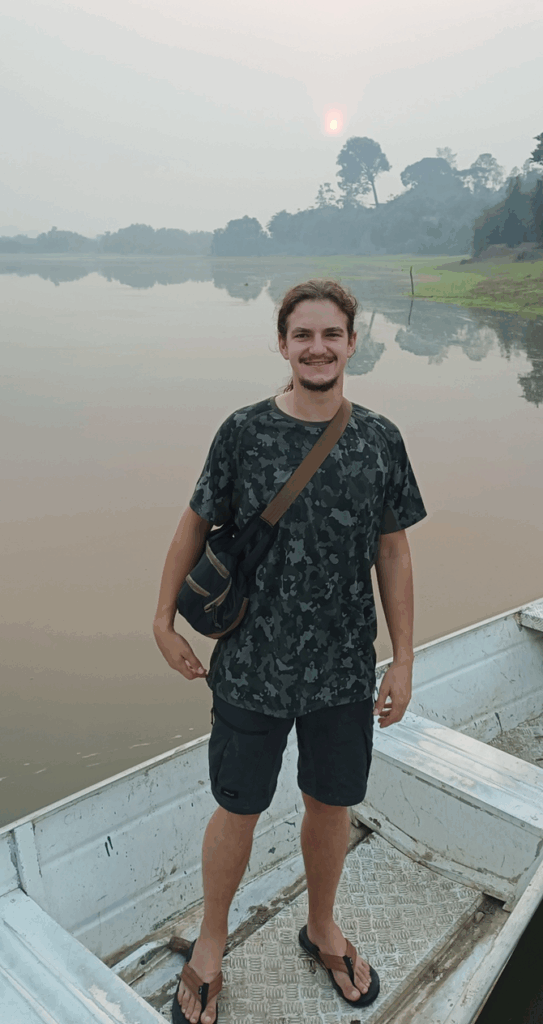
MNB: Sun or rain?
NS: sun
MNB: Diploid or haploid?
NS: diploid
MNB: Sting or acid?
NS: Sting
MNB: Social parasite or host?
NS: parasite
MNB: Your favourite ant paper?
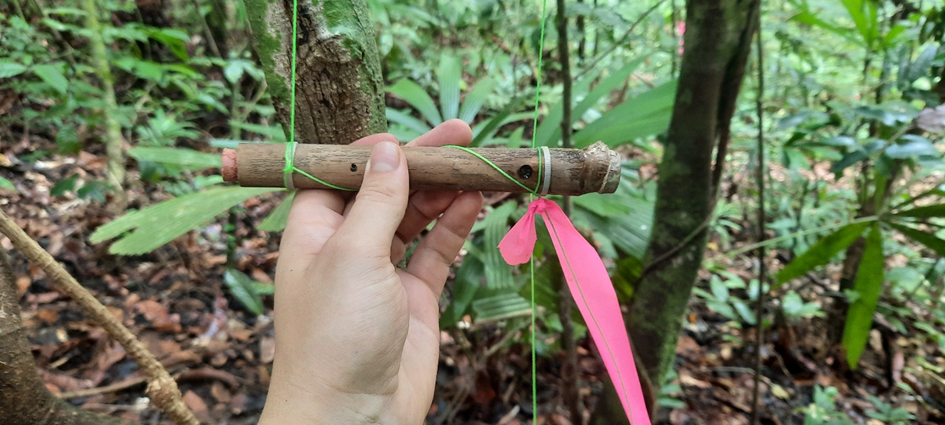
NS: Oh, hard to pick a favourite. When it comes to incredible ant behaviour, “The Ant Odometer: Stepping on Stilt and Stumps” about the Cataglyphis counting its steps is very cool. I also enjoyed Snir et al. (2022, Nature) about the ant pupa milk because I loved hearing the story behind it, too. In ecology, there are some articles that are amazing and relevant to me and my research. I like Armbrecht et al. (2004, Science) about twig nesting ants because the paper starts with quite a simple method but then goes on to resolve into a mechanistic background.
MNB: Your favourite ant?
NS: For the looks: Gigantiops destructor. Otherwise probably Megaponera analis.
MNB: …and if in another life you would be an ant, what ant would that be?
NS: I’d go with an ant queen, maybe Eciton hamatum.
MNB: Thank you so much for this interview!







Recent Comments